Shai Maestro (b. 1987)

Biography

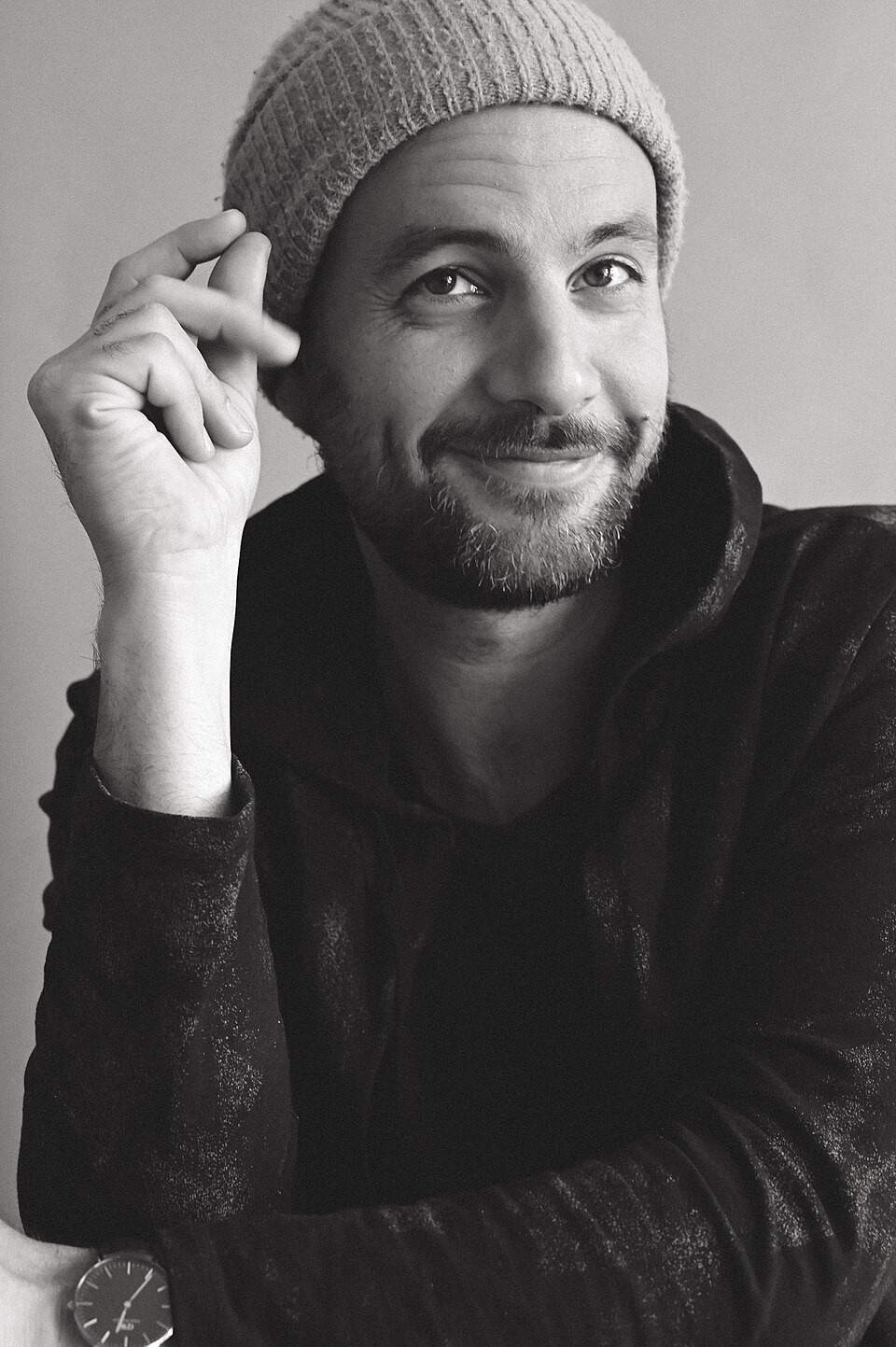
Shai Maestro was born in Israel and became a pianist, composer, and arranger. He studied at Berklee before establishing himself internationally. Maestro leads his own trio and arranges for larger ensembles. His arrangements feature contemporary approaches influenced by both jazz and classical traditions. Maestro’s style demonstrates international jazz’s vitality, bringing Middle Eastern and European influences to American jazz foundations. His work represents the younger generation creating sophisticated personal music drawing on global influences while maintaining jazz’s improvisational essence. Maestro’s success shows jazz benefits from international perspectives enriching the tradition.

Musical Style

Maestro’s arranging style features contemporary approaches influenced by jazz, classical, and Middle Eastern traditions. His arrangements demonstrate understanding of multiple musical languages combined into personal synthesis. What distinguishes Maestro’s work is its international perspective—his music brings diverse influences creating distinctive voice. His voicings are sophisticated, incorporating extended harmonies and unusual progressions. Maestro’s style represents contemporary international jazz: culturally diverse, sophisticatedly synthesized, and demonstrating jazz’s global nature.
Orchestration Techniques

Maestro employs sophisticated voicing structures that integrate Middle Eastern maqam modality with European classical harmony and jazz extended chords, creating hybrid voicings where augmented seconds characteristic of Middle Eastern scales combine with jazz ninths and thirteenths in structures that blur cultural boundaries. His sectional writing for piano trio emphasizes equality between instruments, with bass and drums contributing melodic and harmonic information alongside piano rather than functioning purely as rhythm section support. Concerted passages feature interlocking rhythmic patterns where piano, bass, and drums engage in hocket-like motivic exchange, creating composite melodies from fragmented contributions distributed across all three instruments. Instrumental combinations exploit the trio format’s transparency: piano providing both melodic statements and harmonic foundation through sophisticated voicings, bass offering melodic counterpoint in upper register while maintaining harmonic responsibility, and drums contributing pitched percussion sounds through strategic cymbal and tom selection. Contrapuntal techniques include three-part invertible counterpoint where each instrument can assume any musical role (melody, harmony, rhythm), creating fluid textural relationships that evolve throughout compositions. Register exploitation demonstrates careful attention to piano voicing clarity, with Maestro employing open-position structures in left hand (roots and fifths widely spaced) while right hand provides close-position melodic and harmonic material, creating balanced sonority across the instrument’s range. Rhythmic devices incorporate odd meters derived from both Middle Eastern and European folk traditions: 7/8 and 9/8 patterns subdivided according to various regional conventions (3+2+2 versus 2+3+2), and metric modulation where tempo relationships shift through precise mathematical ratios creating temporal complexity. Textural approaches favor chamber music transparency where individual instrumental contributions remain clearly audible, with careful attention to dynamic balance ensuring piano’s melodic lines project while bass and drums provide supportive yet independent musical content. His preferred configuration is the piano trio, though his arranging principles extend to larger ensembles through strategic orchestration that maintains the intimacy and interplay characteristic of small group jazz while expanding textural and harmonic resources. Dynamic architecture employs European classical developmental techniques: motivic fragmentation and recombination, thematic transformation through harmonic reharmonization, and formal structures (sonata-like development sections, rondo-like returns) adapted to jazz improvisational contexts. Signature techniques include his use of “suspended pedal points” where single bass note sustains beneath complex upper-voice harmonic movement creating tension through delayed resolution, and employment of “melodic parallelism” where piano’s right hand moves in parallel intervals (perfect fourths, perfect fifths) derived from Middle Eastern melodic practice, creating distinctive harmonic color that bridges Eastern and Western musical vocabularies.

Top Albums

Shai Maestro - “The Dream Thief” (2018)

Maestro’s arrangements showcase his contemporary approach. His charts feature sophisticated harmonies with strong melodic content. What makes these arrangements notable is their successful synthesis of influences—Maestro creates personal music integrating diverse sources organically.

International Jazz Perspectives

Maestro’s work bringing Israeli and European perspectives to jazz enriches the music through international contributions. His success demonstrates jazz benefits from global diversity, with international arrangers contributing distinctive voices ensuring continued evolution.

Contemporary Generation

Maestro represents younger generation creating sophisticated jazz drawing on global influences. His work demonstrates jazz’s future lies in international contributions bringing diverse perspectives while maintaining core improvisational values.