Steven Feifke (b. 1990)

Biography

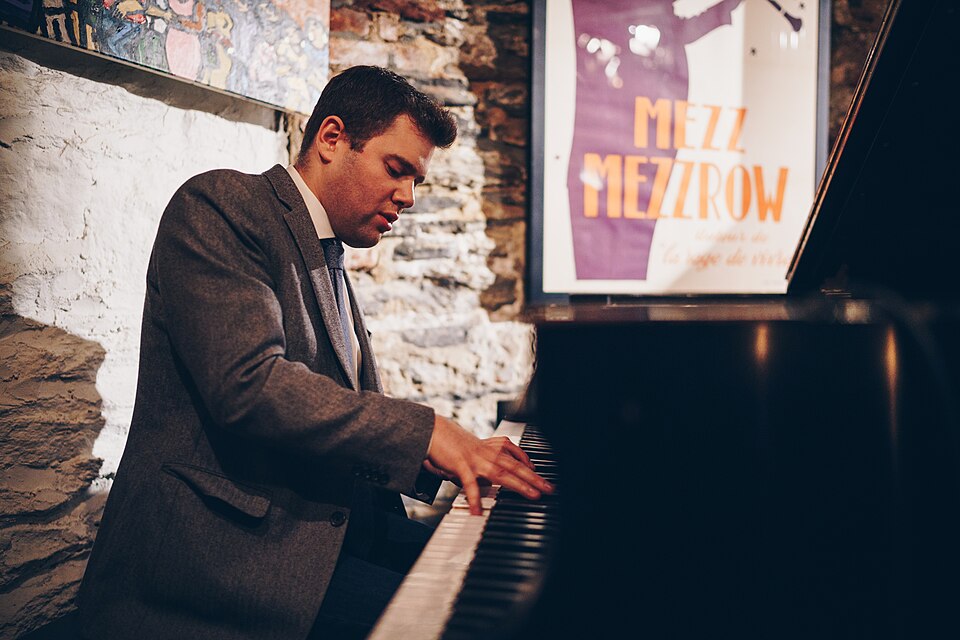
Steven Feifke is a young pianist and arranger representing the newest generation of jazz arrangers. He studied music formally and has won multiple arranging competitions including ASCAP and Downbeat honors. Feifke works with various ensembles while developing his own projects. His work demonstrates sophisticated understanding of jazz history combined with contemporary approaches. Feifke’s emergence demonstrates that jazz arranging traditions continue attracting talented young musicians, ensuring the art form’s future. His success shows that serious engagement with arranging remains viable career path for dedicated musicians, proving the craft maintains vitality through new generations.

Musical Style

Feifke’s arranging style demonstrates sophisticated understanding of jazz history combined with contemporary approaches. His arrangements show deep knowledge of big band tradition while incorporating fresh perspectives. What distinguishes Feifke’s work is its combination of historical awareness and contemporary voice—his charts honor tradition while sounding completely current. His voicings are modern yet rooted in big band fundamentals. Feifke’s style represents the newest generation: historically informed, technically excellent, and demonstrating continued vitality of jazz arranging.
Orchestration Techniques

Feifke employs voicing structures that synthesize multiple big band traditions, combining Thad Jones-style upper structure triads with Bob Brookmeyer’s quartal voicings and contemporary extended tertian harmony, creating sophisticated hybrid approaches that demonstrate encyclopedic knowledge of jazz orchestration history. His sectional writing balances traditional soli passages (saxophones in close block harmony) with more contemporary approaches featuring independent section writing where brass and woodwinds occupy separate harmonic and rhythmic territories simultaneously. Tutti passages employ full ensemble in various configurations: rhythmic unison creating power and precision, or staggered entrances building cumulative density, with Feifke selecting approach based on compositional requirements. Instrumental combinations demonstrate understanding of timbral blend across historical periods: swing-era doubling techniques (lead alto with trumpet for brightness) alongside contemporary chamber approaches (bass clarinet paired with muted trombone for darker colors), all within single arrangements creating varied sonic palettes. Contrapuntal techniques include sophisticated countermelody writing where background figures possess independent melodic interest while supporting solo improvisations, and employment of canon and imitation between sections creating formal sophistication beyond simple block writing. Register exploitation shows careful attention to instrument tessituras: exploiting lead trumpet’s brilliant upper range for melodic climaxes, utilizing baritone saxophone’s rich low register for harmonic foundation, and strategic deployment of flute and clarinet doubling in saxophone section for timbral variety. Rhythmic devices incorporate both traditional swing articulation and contemporary straight-eighth approaches, with Feifke’s notation precisely indicating specific rhythmic feels (light swing versus heavy swing versus straight eighths) through articulation markings and verbal instructions. Textural approaches favor clarity and precision, with careful attention to orchestral balance ensuring all voices contribute meaningfully to composite sound, avoiding muddiness through strategic doubling and registral spacing. His preferred configuration is the standard big band (five saxes, four trumpets, four trombones, piano, bass, drums) treated as flexible resource capable of producing diverse textures from intimate chamber passages to full fortissimo ensemble climaxes. Dynamic architecture employs formal structures derived from composition study: exposition-development-recapitulation frameworks adapted to jazz contexts, with dynamic contrasts serving structural purposes rather than merely decorative functions. Signature techniques include his use of “composite voicing” where elements from different arranging traditions combine within single chord structures (quartal bass with tertian upper structure with chromatic inner voices), and employment of rhythmic “micro-delays” where section entrances are offset by subtle subdivisions creating forward momentum and ensemble depth, demonstrating sophisticated understanding of how small timing variations affect overall groove and energy.

Top Albums

Competition Winners and Early Work

Feifke’s award-winning arrangements demonstrate remarkable gifts for someone early in career. His charts feature sophisticated voicings with strong structural development. What makes his work promising is its maturity—Feifke writes with understanding beyond his years, suggesting bright future.

New Generation Excellence

Feifke’s emergence represents jazz arranging’s continued attraction of talented young musicians. His success demonstrates that the craft remains vital, with new generations bringing fresh perspectives while honoring traditions.

Future of Jazz Arranging

Feifke and peers represent jazz arranging’s future. Their dedication to the craft ensures traditions continue evolving through skilled practitioners bringing contemporary perspectives while respecting historical foundations. This represents hope for jazz’s continued vitality through generational renewal.