Jazz arranging · Third Stream & Avant-Garde
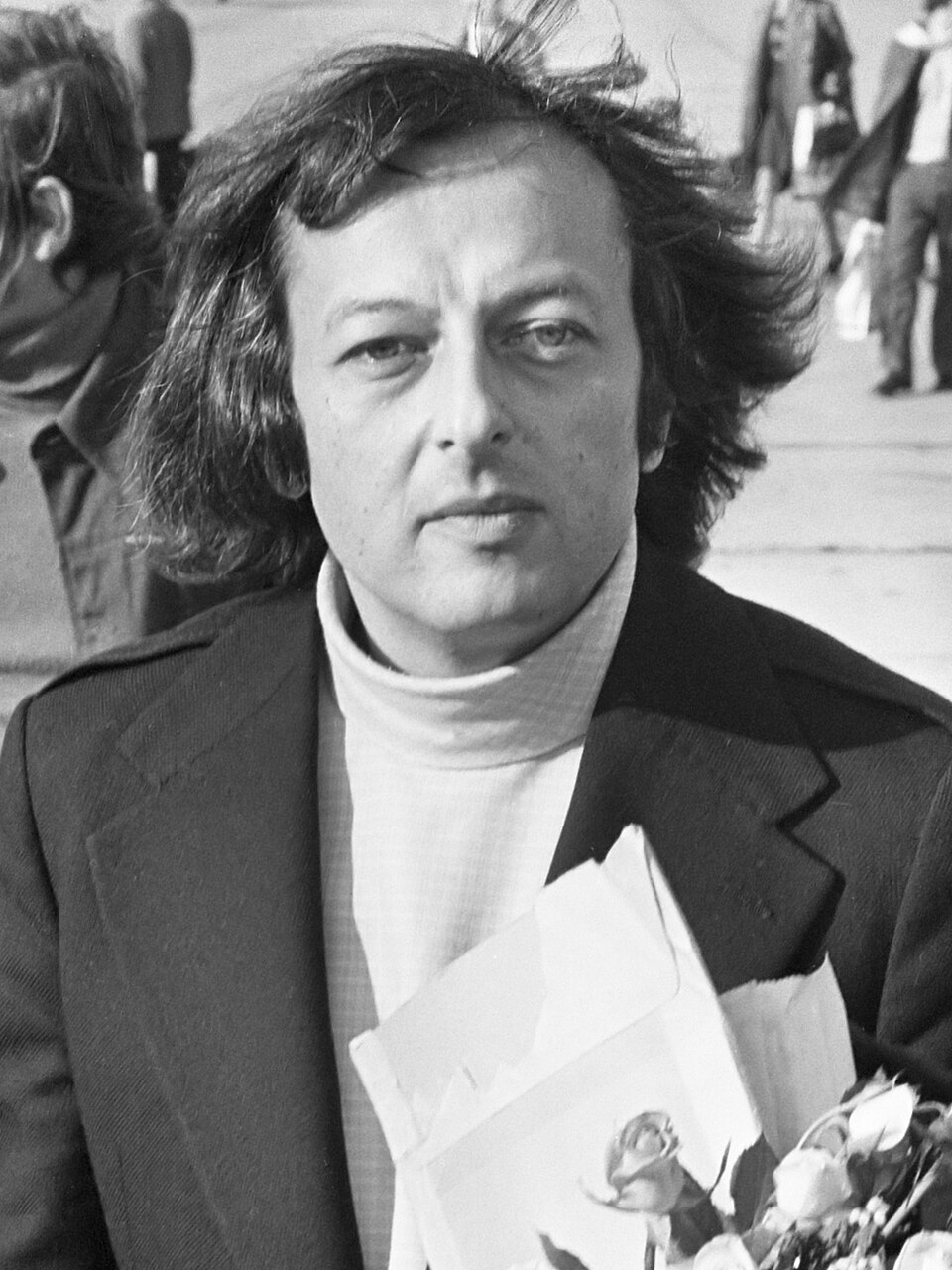
AndréPrevin
1929–2019 arranger · composer · orchestrator
Previn's arranging style in jazz contexts was sophisticated, drawing on his classical training and Hollywood experience.

- Predominant era
- Third Stream & Avant-Garde
- Lifespan
- 1929–2019
- Signature
- iridescent color
Bio · 37 words
Andreas Ludwig Priwin was born in Berlin to a Jewish family that fled to Los Angeles in 1939. Previn studied piano and composition and became a successful film composer and conductor while maintaining a jazz piano career.
01
Musical style
Sound DNA
Five shared dimensions make the arranger’s musical priorities visible at a glance.
Iridescent
Instrumental color leads the design.
Compact
Ideas arrive in tightly packed frames.
Expansive
Wide spans define the orchestral frame.
Layered
Several musical planes coexist.
Suspended
Motion unfolds with patience.
02
Orchestration
Technique deck
Select a card to spotlight a device drawn from this arranger’s orchestral language.
03
Music first
Scores & orchestras
Switch recordings to compare how this arranger’s musical priorities shape each orchestral profile.
King Size! · 1959
Like Young
Previn's arrangements for jazz nonet demonstrate his sophisticated approach.
Listen forNotice how register shapes the orchestral profile.
Find listening example on YouTubeProfile derived from the arranger’s documented style and recording notes; exact instrumentation is not asserted.
West Side Story · 1959
West Side Story
Previn's jazz arrangements of Bernstein's score became a surprise hit.
Listen forNotice how register shapes the orchestral profile.
Find listening example on YouTubeProfile derived from the arranger’s documented style and recording notes; exact instrumentation is not asserted.
Double Play! · 1957
Double Play!
While a two-piano album, Previn's arrangement concepts are evident in how he structures performances and creates contrapuntal interplay.
Listen forNotice how register shapes the orchestral profile.
Find listening example on YouTubeProfile derived from the arranger’s documented style and recording notes; exact instrumentation is not asserted.
04
Start here
Three essential albums
One line each—enough context to choose the next listen.
- 01 1959 King Size!André Previn Previn's arrangements for jazz nonet demonstrate his sophisticated approach.
- 02 1959 West Side StoryAndré Previn Previn's jazz arrangements of Bernstein's score became a surprise hit.
- 03 1957 Double Play!André Previn & Russ Freeman While a two-piano album, Previn's arrangement concepts are evident in how he structures performances and creates contrapuntal interplay.