Jazz arranging · Cool Jazz & West Coast
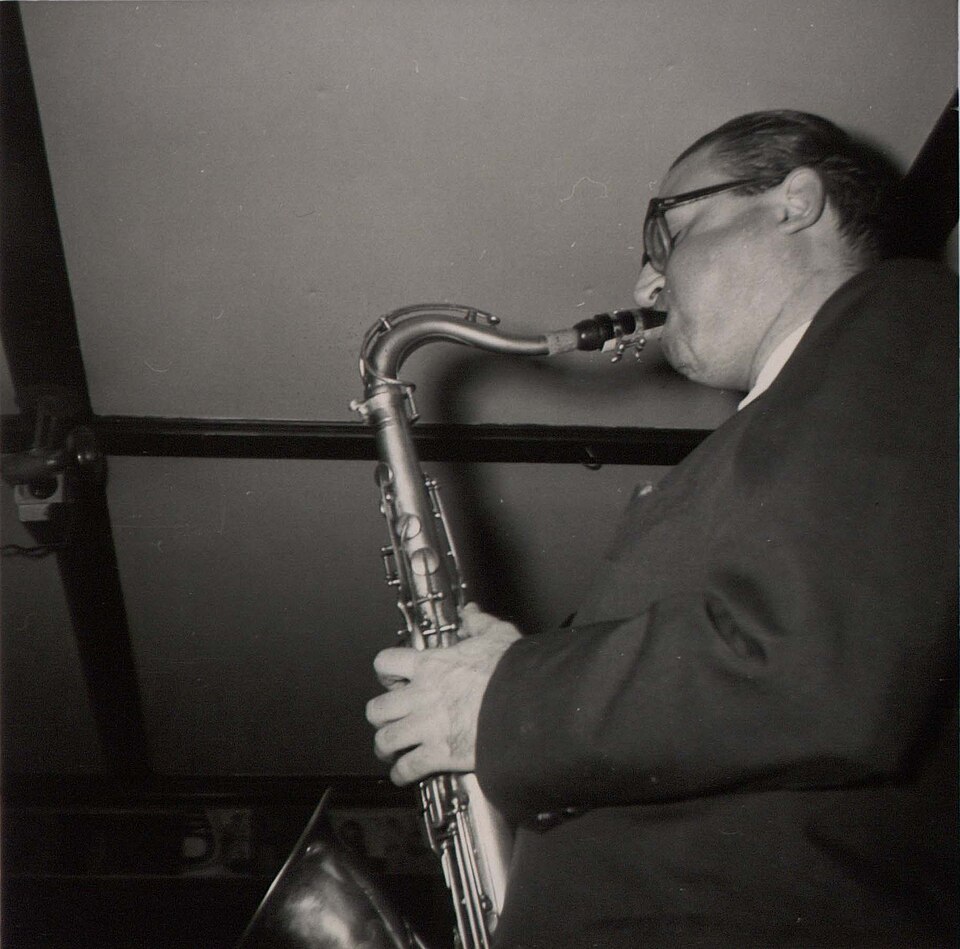
AlCohn
1925–1988 arranger · composer · orchestrator
Cohn's arranging style reflected his playing—relaxed, swinging, and rooted in the mainstream jazz tradition.

- Predominant era
- Cool Jazz & West Coast
- Lifespan
- 1925–1988
- Signature
- expansive register
Bio · 27 words
Alvin Gilbert Cohn was born in Brooklyn and played tenor saxophone and arranged for several big bands including those of Alvino Rey, Buddy Rich, and Woody Herman.
01
Musical style
Sound DNA
Five shared dimensions make the arranger’s musical priorities visible at a glance.
Iridescent
Instrumental color leads the design.
Compact
Ideas arrive in tightly packed frames.
Expansive
Wide spans define the orchestral frame.
Layered
Several musical planes coexist.
Elastic
The rhythmic feel expands and contracts.
02
Orchestration
Technique deck
Select a card to spotlight a device drawn from this arranger’s orchestral language.
03
Music first
Scores & orchestras
Switch recordings to compare how this arranger’s musical priorities shape each orchestral profile.
The Second Herd
The Goof and I
Cohn's arrangements for Herman including "The Goof and I" demonstrate his early style.
Listen forNotice how register shapes the orchestral profile.
Find listening example on YouTubeProfile derived from the arranger’s documented style and recording notes; exact instrumentation is not asserted.
Body and Soul · 1973
Body and Soul
While primarily a blowing session, this album includes Cohn's arrangement concepts applied to quintet format.
Listen forNotice how register shapes the orchestral profile.
Find listening example on YouTubeProfile derived from the arranger’s documented style and recording notes; exact instrumentation is not asserted.
Nonpareil · 1982
Speak Low
Leading his own nonet, Cohn's arrangements showcase his mature style.
Listen forNotice how register shapes the orchestral profile.
Find listening example on YouTubeProfile derived from the arranger’s documented style and recording notes; exact instrumentation is not asserted.
04
Start here
Three essential albums
One line each—enough context to choose the next listen.
- 01 — The Second HerdWoody Herman Cohn's arrangements for Herman including "The Goof and I" demonstrate his early style.
- 02 1973 Body and SoulAl Cohn & Zoot Sims While primarily a blowing session, this album includes Cohn's arrangement concepts applied to quintet format.
- 03 1982 NonpareilAl Cohn Leading his own nonet, Cohn's arrangements showcase his mature style.