Jazz arranging · Early Jazz & Dance Bands
LuisRussell
1902–1963 arranger · composer · orchestrator
Russell's arranging style combined New Orleans rhythmic vitality with sophisticated ensemble writing.
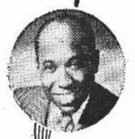

- Predominant era
- Early Jazz & Dance Bands
- Lifespan
- 1902–1963
- Signature
- propulsive motion
Bio · 39 words
Luis Carl Russell was born in Panama and moved to New Orleans as a teenager, absorbing that city's rich musical traditions. He led one of the finest bands of the late 1920s and early 1930s, based in New York.
01
Musical style
Sound DNA
Five shared dimensions make the arranger’s musical priorities visible at a glance.
Varied
Contrasting families shape the sound.
Balanced
Space and activity stay in balance.
Expansive
Wide spans define the orchestral frame.
Layered
Several musical planes coexist.
Propulsive
Rhythm actively drives the architecture.
02
Orchestration
Technique deck
Select a card to spotlight a device drawn from this arranger’s orchestral language.
03
Music first
Scores & orchestras
Switch recordings to compare how this arranger’s musical priorities shape each orchestral profile.
The Luis Russell Collection · 1926-1934
Saratoga Shout
Russell's arrangements showcase his distinctive style.
Listen forNotice how motion shapes the orchestral profile.
Find listening example on YouTubeProfile derived from the arranger’s documented style and recording notes; exact instrumentation is not asserted.
Mahogany Hall Stomp · 1929-1930
Mahogany Hall Stomp
Russell's arrangements providing frameworks for Armstrong's playing showcase his understanding of how to feature a soloist while maintaining ensemble interest.
Listen forNotice how motion shapes the orchestral profile.
Find listening example on YouTubeProfile derived from the arranger’s documented style and recording notes; exact instrumentation is not asserted.
Panama · 1929-1930
Panama
Russell's arrangements here emphasize his New Orleans roots combined with swing era approaches.
Listen forNotice how motion shapes the orchestral profile.
Find listening example on YouTubeProfile derived from the arranger’s documented style and recording notes; exact instrumentation is not asserted.
04
Start here
Three essential albums
One line each—enough context to choose the next listen.
- 01 1926-1934 The Luis Russell CollectionLuis Russell Orchestra Russell's arrangements showcase his distinctive style.
- 02 1929-1930 Mahogany Hall StompLuis Russell Orchestra with Louis Armstrong Russell's arrangements providing frameworks for Armstrong's playing showcase his understanding of how to feature a soloist while maintaining ensemble interest.
- 03 1929-1930 PanamaLuis Russell Orchestra Russell's arrangements here emphasize his New Orleans roots combined with swing era approaches.