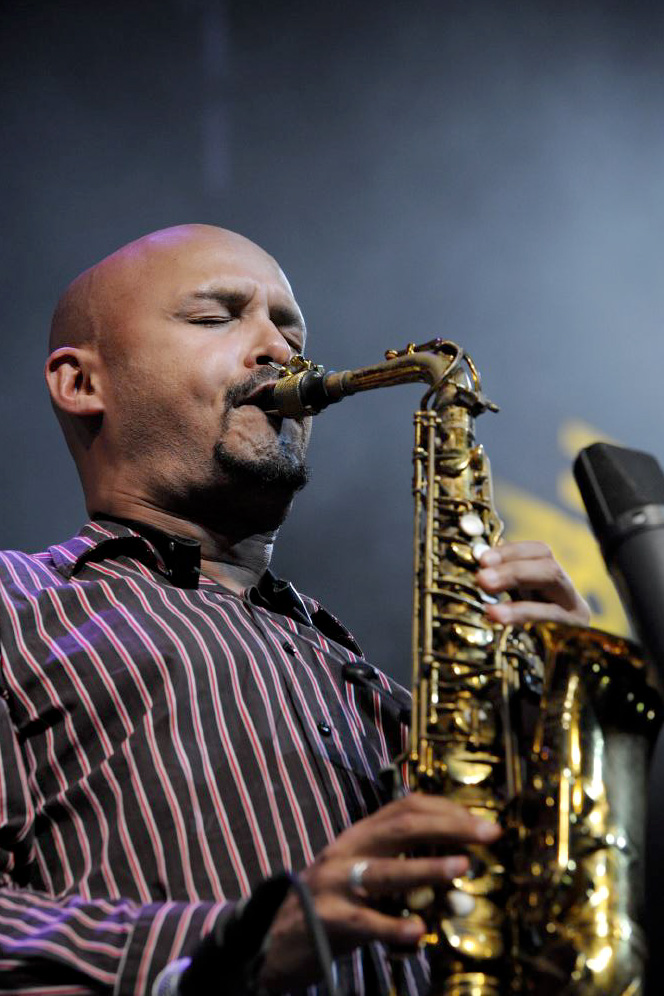
Miguel Zenón (b. 1976)

Biography

Miguel Zenón was born in San Juan, Puerto Rico, and became an acclaimed alto saxophonist, composer, and arranger. He studied at Berklee and Manhattan School of Music before establishing himself in New York. Zenón leads various ensembles incorporating Puerto Rican folk music (plena, bomba) with jazz. His arrangements feature sophisticated compositional development with authentic cultural roots. He’s won multiple Grammy nominations, Guggenheim Fellowship, and MacArthur “Genius” Fellowship. Zenón’s work demonstrates how jazz continues evolving through artists bringing specific cultural perspectives while maintaining improvisational core. His success shows that deep engagement with particular traditions enriches rather than limits jazz. Zenón represents contemporary jazz’s global reach and cultural depth, proving that specificity creates universality.

Musical Style

Zenón’s arranging style incorporates Puerto Rican folk music with jazz through sophisticated compositional development, featuring authentic cultural roots combined with contemporary approaches. His arrangements demonstrate deep understanding of both Puerto Rican traditions and jazz. What distinguishes Zenón’s work is its genuine cultural integration—his music doesn’t merely reference Puerto Rican traditions but emerges organically from them. His voicings incorporate folk instruments and rhythmic patterns authentically. Zenón’s harmonic language combines jazz sophistication with Puerto Rican musical logic. His style represents contemporary cultural jazz: specific rooted, sophisticatedly developed, and universally communicative.

Orchestration Techniques

Zenón’s voicing approach integrates Puerto Rican folk modality (particularly the aguinaldo and décima forms) with contemporary jazz extended harmony, creating structures where traditional Puerto Rican melodic patterns are harmonized with jazz ninths, elevenths, and thirteenths in ways that respect both idioms. His sectional writing for quartet and larger ensembles employs strategic instrumental groupings: saxophone and hand drums (pandero, cuá) functioning as melodic partners with percussion providing pitched melodic support through traditional patterns. Concerted passages feature tight block harmony in small groups where all instruments move in parallel rhythmic unison, creating dense textures that translate the communal energy of plena and bomba to jazz quartet format. Instrumental combinations exploit the integration of Puerto Rican percussion with jazz rhythm section: panderos providing polyrhythmic foundation through interlocking patterns, while piano and bass supply both harmonic support and rhythmic counterpoint derived from bomba and plena structures. Contrapuntal techniques include call-and-response derived from plena’s coro-and-verso structure, where saxophone states melodic material and percussion ensemble responds with rhythmic and melodic variations, creating antiphonal dialogue rooted in Puerto Rican folk practice. Register exploitation demonstrates strategic use of alto saxophone’s full range to emulate vocal qualities of Puerto Rican folk singing, with melodic lines spanning from throaty low register to brilliant altissimo, mirroring the ornamental vocal style of aguinaldo singers. Rhythmic devices incorporate authentic Puerto Rican patterns: bomba’s sicá and yubá rhythms, plena’s characteristic two-bar patterns, and seis’s sesquialtera (3:2 polyrhythmic relationship) all integrated with jazz swing and straight-eighth interpretations. Textural approaches emphasize rhythmic density where multiple percussion voices create thick polyrhythmic textures, while saxophone and piano provide melodic and harmonic clarity above this rhythmic foundation, balancing complexity and transparency. His preferred configuration is the quartet (saxophone, piano, bass, drums) augmented with Puerto Rican hand percussion (two to three players), allowing for intimate chamber jazz interaction while maintaining authentic Puerto Rican rhythmic complexity. Dynamic architecture employs structures derived from Puerto Rican folk forms: building through successive variations on melodic material (similar to décima improvisation structure), with rhythmic intensification and harmonic elaboration creating developmental arcs that peak in collective improvisatory climaxes. Signature techniques include his use of “melodic layering” where saxophone improvises over pre-composed melodic ostinatos in lower instruments, creating polyphonic density derived from plena’s multi-layered structure, and employment of rhythmic superimposition where jazz swing feel coexists simultaneously with straight-eighth bomba patterns in different instrumental voices, generating creative tension through metric ambiguity.

Top Albums

Miguel Zenón - “Alma Adentro: The Puerto Rican Songbook” (2011)

Zenón’s arrangements of Puerto Rican classics demonstrate his gifts for creative reinterpretation. His charts transform familiar material through jazz lenses while maintaining essential Puerto Rican character. What makes these arrangements remarkable is their respect for tradition combined with creative freedom—Zenón honors sources while creating fresh music. His arrangement of traditional songs showcases his understanding of Puerto Rican music and his jazz sophistication. The album earned Grammy nomination.

Miguel Zenón - “Identidades” (2009)

Zenón’s original compositions and arrangements exploring Puerto Rican identity demonstrate his mature voice. His charts integrate plena, bomba, and jazz organically. What’s particularly impressive is Zenón’s success at cultural synthesis—his music genuinely merges traditions rather than juxtaposing them. His composition “Identidades” showcases his gifts for creating extended forms that sustain interest. The album earned Grammy nomination.

Cultural Significance

Zenón’s work bringing Puerto Rican perspectives to contemporary jazz enriches the music through specific cultural contributions. His success demonstrates that jazz’s future depends on diverse voices bringing particular perspectives. What makes this work important is its demonstration that cultural specificity creates universal art—Zenón’s deeply Puerto Rican music communicates globally. This represents how jazz evolves through international, culturally diverse contributions.