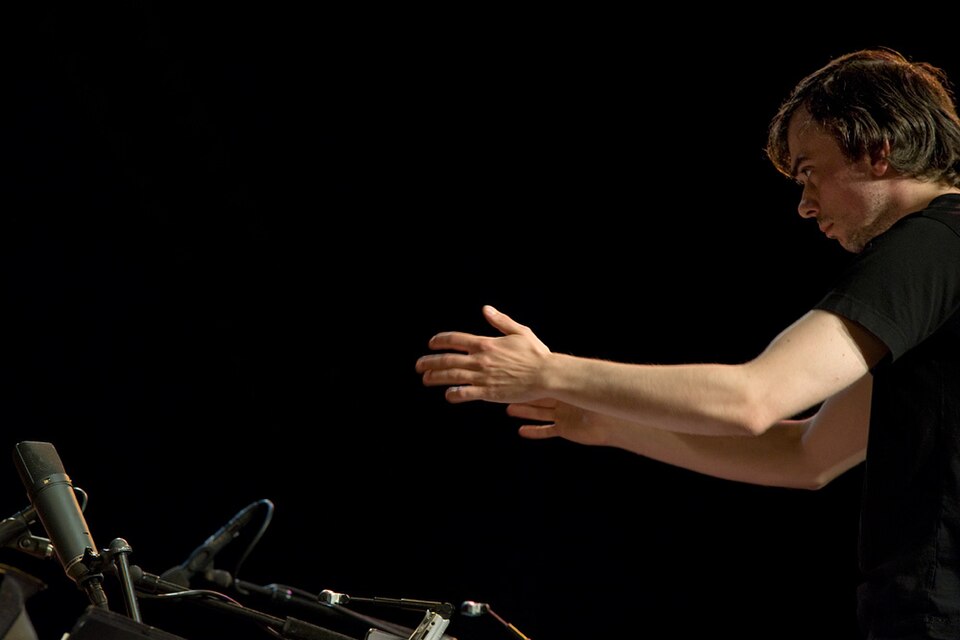
Darcy James Argue (b. 1975)
Biography - 2000s-Present Work
Darcy James Argue’s Secret Society represents cutting-edge large ensemble jazz in the 2000s-present period. His arrangements combine traditional big band with contemporary elements including electronics and multimedia. Albums like “Brooklyn Babylon” (2013) and “Real Enemies” (2016) address contemporary issues through sophisticated instrumental music, earning multiple Grammy nominations. Argue’s work demonstrates that big band remains vital format for addressing current concerns while maintaining musical sophistication. For comprehensive biography, full musical style analysis, and complete discography, see his main entry in the 1980s section.
2000s-Present Achievements
During this period, Argue established himself as major voice in contemporary big band jazz through ambitious conceptual projects that prove the music can engage serious themes while maintaining artistic quality.
Orchestration Techniques
Argue’s orchestration demonstrates synthesis of traditional big band power with contemporary classical sophistication, employing extended tertian voicings, strategic use of electronics alongside acoustic instruments, and cinematic textural approaches that serve narrative purposes. His sectional writing features independence between choirs rather than conventional block harmony, with contrapuntal techniques including metric modulation and polyrhythmic layering. For comprehensive technical analysis of his voicing strategies, instrumental combinations, rhythmic devices, and signature orchestral innovations, consult his main entry in the 1980s section.
Major 2000s-Present Albums
Secret Society - “Brooklyn Babylon” (2013) & “Real Enemies” (2016)
Argue’s arrangements address contemporary social themes through sophisticated musical means. His charts feature cinematic scope with multimedia integration, demonstrating big band jazz’s continued relevance for contemporary storytelling.
Contemporary Big Band Leadership
Argue represents cutting-edge contemporary large ensemble jazz, proving the tradition remains vital through practitioners willing to engage current realities while maintaining musical sophistication.