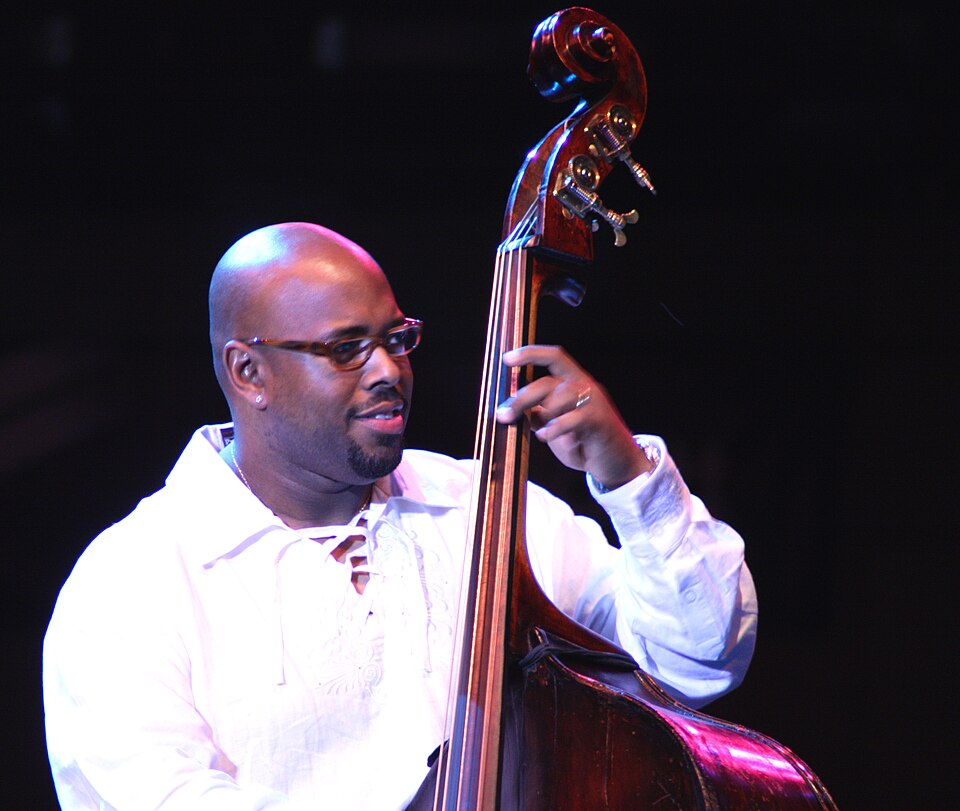
Christian McBride (b. 1972)

Biography

Christian McBride was born in Philadelphia and became one of jazz’s finest bassists and bandleaders. He studied at Juilliard before establishing himself through work with diverse artists from Freddie Hubbard to Sting. McBride leads various groups including his Big Band, Trio, and Inside Straight quintet. His arrangements for his Big Band honor tradition while sounding contemporary. McBride’s style combines bebop foundations with modern approaches. His work demonstrates that traditional big band jazz remains vital through quality execution and contemporary relevance. McBride represents mainstream jazz excellence, maintaining high artistic standards while connecting with diverse audiences through accessible yet substantial music that proves jazz’s continued vitality.

Musical Style

McBride’s arranging style honors big band tradition while incorporating contemporary elements, featuring strong swing feeling with sophisticated harmonies and excellent orchestration. His arrangements demonstrate deep understanding of jazz history combined with fresh perspectives. What distinguishes McBride’s work is its combination of respect for tradition and contemporary relevance—his charts honor precedents while sounding fresh. His voicings balance traditional big band power with modern colors. McBride’s style represents contemporary mainstream jazz: historically grounded, technically excellent, and broadly accessible while maintaining substance.

Orchestration Techniques

McBride employs traditional big band voicing structures with strategic modern extensions, favoring spread voicings in saxophone section with root and fifth in lower voices while upper saxophones provide color tones (ninths, thirteenths), creating full yet transparent harmonic textures. His sectional writing demonstrates mastery of swing-era conventions updated with contemporary harmonic sophistication: saxophone soli in close block harmony moving in parallel diatonic motion, brass punctuations providing rhythmic propulsion through staccato unison figures on upbeats. Tutti passages feature all sections in rhythmic unison creating the “big band sound” while employing extended harmonic vocabulary including altered dominants and tritone substitutions. Instrumental combinations honor tradition: trumpets carrying melodic burden in upper register, trombones providing harmonic foundation and occasional melodic counterpoint, saxophones functioning as melodic choir with baritone anchoring bottom. Contrapuntal techniques include traditional call-and-response between brass and saxophone sections, and background figures (sustained harmony with rhythmic punctuation) supporting solo improvisations. Register utilization exploits the full range of the standard big band: lead alto in its brilliant upper register, lead trumpet demanded to project above ensemble, baritone saxophone providing low-end foundation, and bass trombone doubling baritone for maximum low-frequency impact. Rhythmic devices emphasize swing interpretation with precise articulation markings indicating which notes to tongue versus slur, accent placement on beats two and four, and employment of rhythmic figures derived from Count Basie tradition (specifically the “Basie bump” and similar Kansas City devices). Textural approaches alternate between full ensemble density during shout choruses and reduced textures during solo sections, with piano comping, bass walking, and drums providing traditional swing support. His preferred configuration is the standard seventeen-piece big band (five saxes, four trumpets, four trombones, piano, bass, drums, guitar) honoring traditional instrumentation while achieving contemporary sound through harmonic sophistication. Dynamic architecture employs classic big band developmental arc: piano introduction building through gradual section additions to full ensemble climax, with strategic dynamic contrasts between solo sections (piano) and ensemble passages (forte/fortissimo). Signature techniques include his use of the “McBride shout chorus” where final ensemble passages employ rhythmically displaced figures creating forward momentum, and employment of stop-time breaks where rhythm section momentarily pauses allowing brass accents to punctuate melodic material.

Top Albums

Christian McBride Big Band - “The Good Feeling” (2011)

McBride’s arrangements for his big band showcase his gifts for contemporary traditional jazz. His charts feature strong swing feeling with sophisticated voicings and excellent section writing. What makes these arrangements effective is their balance—McBride writes music honoring tradition while sounding completely contemporary. The album won Grammy.

Christian McBride Big Band - “Bringin’ It” (2017)

McBride’s continued work demonstrates sustained excellence. His arrangements maintain his signature balance of tradition and contemporary approaches. What’s particularly impressive is McBride’s consistent quality—his charts reliably deliver swinging, sophisticated big band jazz. The album won Grammy and represents peak contemporary mainstream big band arranging.

Mainstream Jazz Leadership

McBride’s role as leading mainstream jazz voice demonstrates the tradition’s continued vitality. His success maintaining artistic standards while reaching broad audiences proves that quality jazz can connect widely. This represents jazz’s continued relevance when executed at highest levels by dedicated professionals.