Patrick Williams (b. 1939)

Biography

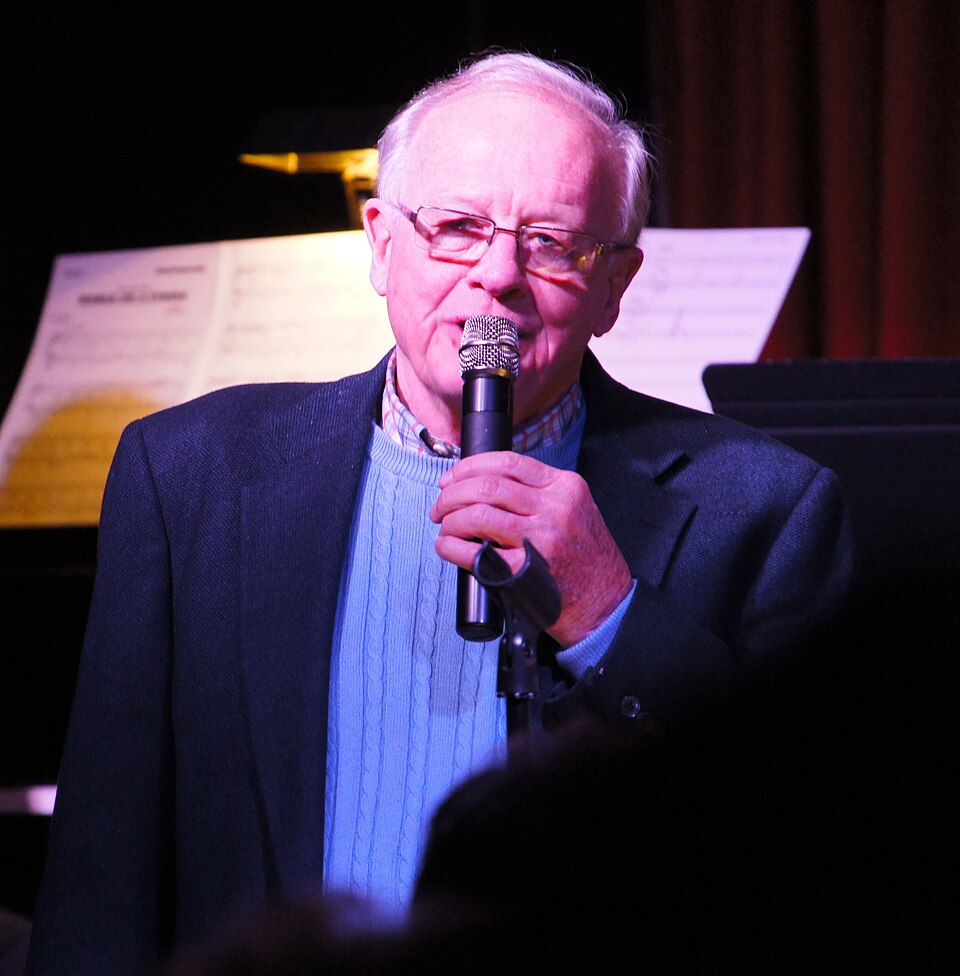
Patrick Williams was born in Missouri and became one of America’s most successful composer-arrangers, working across film, television, and jazz. He studied at Duke University and Manhattan School of Music before establishing himself in New York and Los Angeles studios. Williams won Emmy Awards for television scores including “The Mary Tyler Moore Show” and “Lou Grant,” and Grammy Awards for his jazz arrangements. He’s worked with artists spanning the Thad Jones/Mel Lewis Orchestra to the Boston Pops, arranging for symphony orchestras, jazz bands, and popular singers. Williams’s film scores include “Breaking Away” and numerous television movies. He’s also led his own big band projects and taught at major universities. His versatility demonstrates that serious arrangers can work across multiple genres while maintaining artistic integrity. Williams successfully navigated both commercial and jazz worlds, proving that artistic quality and commercial success aren’t mutually exclusive.

Musical Style

Williams’s arranging style features sophisticated orchestration, polished professionalism, and remarkable versatility across genres. His arrangements demonstrate complete technical mastery whether writing for symphony orchestra, big band, or small combo. What distinguishes Williams’s work is its consistent quality and adaptability—he understands the specific requirements of different contexts and writes accordingly while maintaining high standards. His voicings are rich and colorful, often incorporating strings and woodwinds in ways that enhance without overwhelming. Williams writes beautifully for brass, understanding sectional blend and power. His harmonic language draws from jazz tradition while incorporating contemporary classical techniques when appropriate. Williams’s arrangements always serve the music, never drawing attention to themselves unnecessarily. His style represents peak professionalism: sophisticated, tasteful, and effective across diverse musical situations.
Orchestration Techniques

Williams’s orchestrations demonstrate film scoring sophistication applied to jazz contexts, employing lush string voicings that double and reinforce brass and woodwind sections with careful attention to spectral balance. His voicing approach utilizes close position in middle registers, avoiding the muddy bottom and shrill top of the orchestral spectrum to create warmth and blend. Sectional writing reflects his film scoring experience, with strings, brass, and woodwinds functioning as independent choirs that combine for maximum orchestral impact during climactic passages. Contrapuntal techniques include sophisticated use of countermelodies in inner string voices (violas, second violins) that provide harmonic movement while upper voices sustain, creating richness through internal motion. Williams’s register usage demonstrates complete understanding of orchestral balance, positioning trumpets in their brilliant middle-high range while strings provide supporting harmonics that round the overall ensemble sound. His brass writing in big band contexts favors traditional section voicings enhanced by strategic string doublings that add sustain and warmth to otherwise punchy brass attacks. Rhythmic notation includes precise articulation markings that ensure stylistic consistency whether writing for jazz musicians or symphonic players, with specific bowings and attacks notated for string sections. Textural approaches favor gradual additive orchestration where the full ensemble emerges from smaller combinations, creating formal architecture through orchestrational density. Williams’s preferred configurations range from standard big band to full symphony orchestra with jazz soloists, demonstrating his adaptability across ensemble sizes. Dynamic architecture employs cinematic builds with long crescendos leading to fortissimo peaks followed by sudden drops, creating the dramatic arcs characteristic of film scoring applied to concert music contexts. His signature technique involves scoring sustained string pads beneath jazz rhythm section and brass, where the strings provide harmonic continuity while the jazz instruments supply rhythmic definition, creating hybrid textures that maintain swing feeling while achieving orchestral grandeur unavailable in traditional big band scoring.

Top Albums

Patrick Williams Big Band - “Sinatraland” (1998)

Williams’s arrangements of Sinatra material for big band demonstrate his gift for reimagining familiar songs. His charts honor the original arrangements while creating new orchestral settings that stand on their own. What makes these arrangements impressive is their balance—Williams respects the source material while bringing fresh perspectives. His arrangement of “I’ve Got You Under My Skin” creates new excitement while maintaining the song’s essential character. The voicings are sophisticated, demonstrating Williams’s mastery of big band writing and his understanding of how to serve great melodies.

Patrick Williams Big Band - “Home Suite Home” (2001)

Williams’s original compositions and arrangements for big band showcase his gifts beyond interpretation. His charts feature sophisticated harmonies, contemporary rhythms, and inventive orchestration. What’s particularly notable is Williams’s ability to write modern big band music that swings hard while incorporating contemporary elements. His composition “Home Suite Home” demonstrates his gifts in extended form, creating coherent multi-movement works that sustain interest through development and contrast. The album proves Williams’s mastery of jazz big band writing at the highest level.

Thad Jones/Mel Lewis Orchestra - various recordings (Williams arrangements)

Williams’s arrangements for the premier New York big band demonstrate his understanding of jazz tradition and contemporary approaches. His charts fit perfectly within the band’s aesthetic while bringing distinctive colors and approaches. What makes Williams’s contributions notable is their professionalism and swing—his arrangements work perfectly for this ensemble while maintaining his personal voice. His writing shows understanding of how to feature the band’s remarkable soloists within sophisticated ensemble frameworks. The work demonstrates Williams’s standing among the top tier of jazz arrangers.