Jazz arranging · Fusion & Jazz-Funk
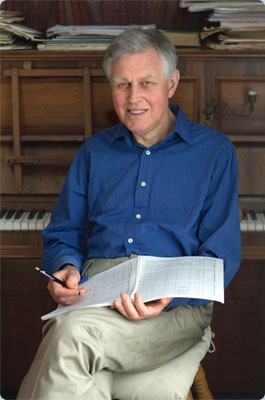
DavidMatthews
b. 1942 arranger · composer · orchestrator
Matthews's arranging style combined jazz sophistication with funk and R&B grooves.

- Predominant era
- Fusion & Jazz-Funk
- Lifespan
- b. 1942
- Signature
- iridescent color
Bio · 30 words
David Matthews was born in Sonora, Kentucky, and studied at the Cincinnati Conservatory. He emerged in the late 1960s as arranger for James Brown before becoming a leading fusion arranger.
01
Musical style
Sound DNA
Five shared dimensions make the arranger’s musical priorities visible at a glance.
Iridescent
Instrumental color leads the design.
Compact
Ideas arrive in tightly packed frames.
Layered
Registers work as distinct layers.
Ornate
Dense detail rewards close listening.
Elastic
The rhythmic feel expands and contracts.
02
Orchestration
Technique deck
Select a card to spotlight a device drawn from this arranger’s orchestral language.
03
Music first
Scores & orchestras
Switch recordings to compare how this arranger’s musical priorities shape each orchestral profile.
Thrust
Thrust
Matthews's arrangements helped define Hancock's fusion sound.
Listen forNotice how color shapes the orchestral profile.
Find listening example on YouTubeProfile derived from the arranger’s documented style and recording notes; exact instrumentation is not asserted.
Dune · 1977
Dune
Leading his own big band, Matthews's arrangements showcase his full range.
Listen forNotice how color shapes the orchestral profile.
Profile derived from the arranger’s documented style and recording notes; exact instrumentation is not asserted.
Chapter Three: Viva Emiliano Zapata
Chapter Three: Viva Emiliano Zapata
Matthews's arrangements for Barbieri incorporate Latin elements with fusion.
Listen forNotice how color shapes the orchestral profile.
Find listening example on YouTubeProfile derived from the arranger’s documented style and recording notes; exact instrumentation is not asserted.
04
Start here
Three essential albums
One line each—enough context to choose the next listen.
- 01 — ThrustHerbie Hancock Matthews's arrangements helped define Hancock's fusion sound.
- 02 1977 DuneDavid Matthews Leading his own big band, Matthews's arrangements showcase his full range.
- 03 — Chapter Three: Viva Emiliano ZapataGato Barbieri Matthews's arrangements for Barbieri incorporate Latin elements with fusion.