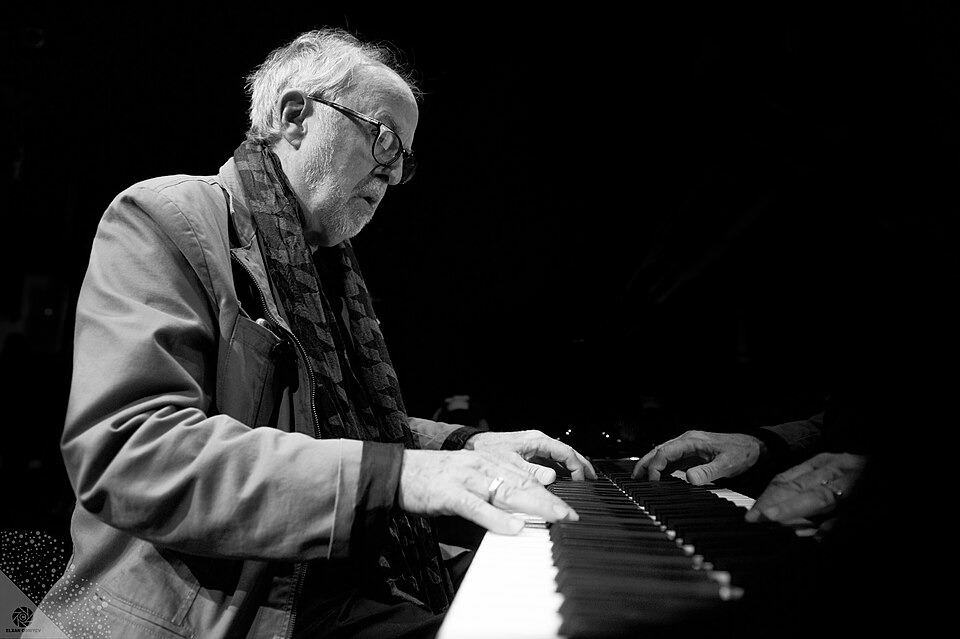
Bob James (b. 1939)
Biography
Bob James was born in Missouri and studied at University of Michigan, where he won a collegiate jazz competition that led to his first album. He arranged for Sarah Vaughan before becoming a key figure in fusion and smooth jazz as pianist, composer, and arranger for CTI Records and later his own Tappan Zee label through Columbia. James produced and arranged for numerous artists while recording prolifically as leader. His work helped define the smooth jazz aesthetic of the 1970s-80s. James is also known for his theme music including “Angela” (Taxi theme) and his compositions have been extensively sampled in hip-hop. He co-founded the group Fourplay and continues performing. James’s arrangements demonstrated that jazz sophistication and commercial accessibility weren’t mutually exclusive, though his work divided critics between those appreciating his craftsmanship and those dismissing it as too commercial.
Musical Style
James’s arranging style features lush keyboard textures, sophisticated harmonies, accessible melodies, and polished production combining jazz sophistication with pop sensibility. His arrangements often incorporate strings, electric instruments, and studio technology to create smooth, radio-friendly textures. What distinguishes James’s work is its production values and sonic sophistication—his arrangements are meticulously crafted for commercial impact while maintaining harmonic substance. His voicings draw from jazz tradition (particularly Bill Evans) while incorporating contemporary production techniques. James understands how to create arrangements that work both musically and commercially, balancing artistic and commercial considerations. His style emphasizes melody, groove, and sonic beauty. James’s work represents the fusion/smooth jazz aesthetic: sophisticated, accessible, and commercially successful.
Orchestration Techniques
James’s orchestrations employ lush string voicings in close position, typically scoring violins divisi in thirds and sixths with violas providing harmonic filler and cellos doubling the bass line at the octave. His brass writing utilizes Harmon and cup mutes extensively to achieve blend with electric keyboards, with trumpet voicings positioned in the middle register to avoid piercing through the mix. Sectional writing favors layered textures where strings provide sustained harmonic pads, brass offers punctuating figures, and woodwinds add melodic counterlines, all supporting the featured keyboard instrument. The contrapuntal approach includes sophisticated use of oblique motion with sustained string tones against moving bass lines, creating harmonic tension and release through careful voice leading. James employs extensive doubling between acoustic and electric instruments, often layering Rhodes piano with acoustic piano and string pads to create hybrid timbres. Register usage emphasizes the warm middle frequencies, with bass instruments occupying the fundamental range while upper strings and synthesizers fill the overtone spectrum. Rhythmic devices include precisely notated funk patterns with ghost notes, syncopated brass stabs, and string swells timed to downbeats for harmonic emphasis. Textural approaches favor homophonic orchestrations with melody-and-accompaniment structures, prioritizing clarity of the lead line over contrapuntal complexity. James’s preferred configurations combine traditional jazz instrumentation with orchestral strings and contemporary rhythm sections featuring electric bass and synthesizers. Dynamic architecture employs gradual builds using additive orchestration, introducing instrumental layers progressively to create lush, full-spectrum sound fields. His signature technique involves voicing extended chords (9ths, 11ths, 13ths) across multiple instrumental families, distributing chord tones strategically to create seamless timbral blends between acoustic and electric sources.
Top Albums
Bob James - “One” (1974)
James’s breakthrough album showcases his arranging approach combining jazz sophistication with accessible production. His charts feature lush string arrangements, sophisticated keyboard voicings, and contemporary grooves. What makes these arrangements influential is their success at creating commercially successful music with genuine substance. His arrangement of “Feel Like Making Love” demonstrates his gift for sophisticated yet accessible orchestration. The album helped establish the CTI Records sound and influenced fusion arranging significantly.
Bob James - “Two” (1975)
James’s follow-up demonstrates his mature style. His arrangements here feature even more sophisticated orchestration while maintaining commercial accessibility. What’s particularly notable is James’s use of electric and acoustic instruments in combination, creating hybrid textures that became his signature. His composition “Farandole (L’Arlésienne Suite No. 2)” shows how classical material can be reimagined through jazz-fusion arranging. The album represents James at peak creative-commercial success.
Bob James and Earl Klugh - “One on One” (1979)
James’s arrangements for guitar-keyboard duo demonstrate his versatility and his understanding of intimate settings alongside larger productions. His charts create full, rich textures with limited instrumentation, showing that his arranging concepts work across ensemble sizes. What makes these arrangements effective is their restraint—James uses sophistication in service of the music rather than for display. The album went gold and demonstrates James’s ability to create commercially successful music across different formats.