Phil Woods (1931-2015)

Biography

Philip Wells Woods was born in Springfield, Massachusetts, and studied at Juilliard and Manhattan School of Music. He worked with various groups including Dizzy Gillespie and Quincy Jones before leading his own groups. Woods was one of bebop’s greatest alto saxophonists while also arranging for his ensembles. He received multiple Grammy Awards and NEA Jazz Master honor. Woods maintained traditional jazz values throughout his career despite changing fashions. He continued performing and arranging until shortly before his death, recognized as keeper of bebop traditions.

Musical Style

Woods’s arranging style was rooted in bebop with sophisticated harmonies and strong swing feeling. His arrangements featured clear structures with exciting frameworks for improvisation. Woods understood horn writing intimately from his own playing, creating arrangements that were idiomatic and challenging. His style balanced composition and improvisation, giving soloists room while maintaining arranged interest. Woods’s arrangements were unpretentious—focused on swing and blues feeling rather than displaying cleverness. His work represented mainstream jazz at its highest level, maintaining tradition while remaining contemporary. Woods’s arrangements proved that bebop concepts remained vital across decades.
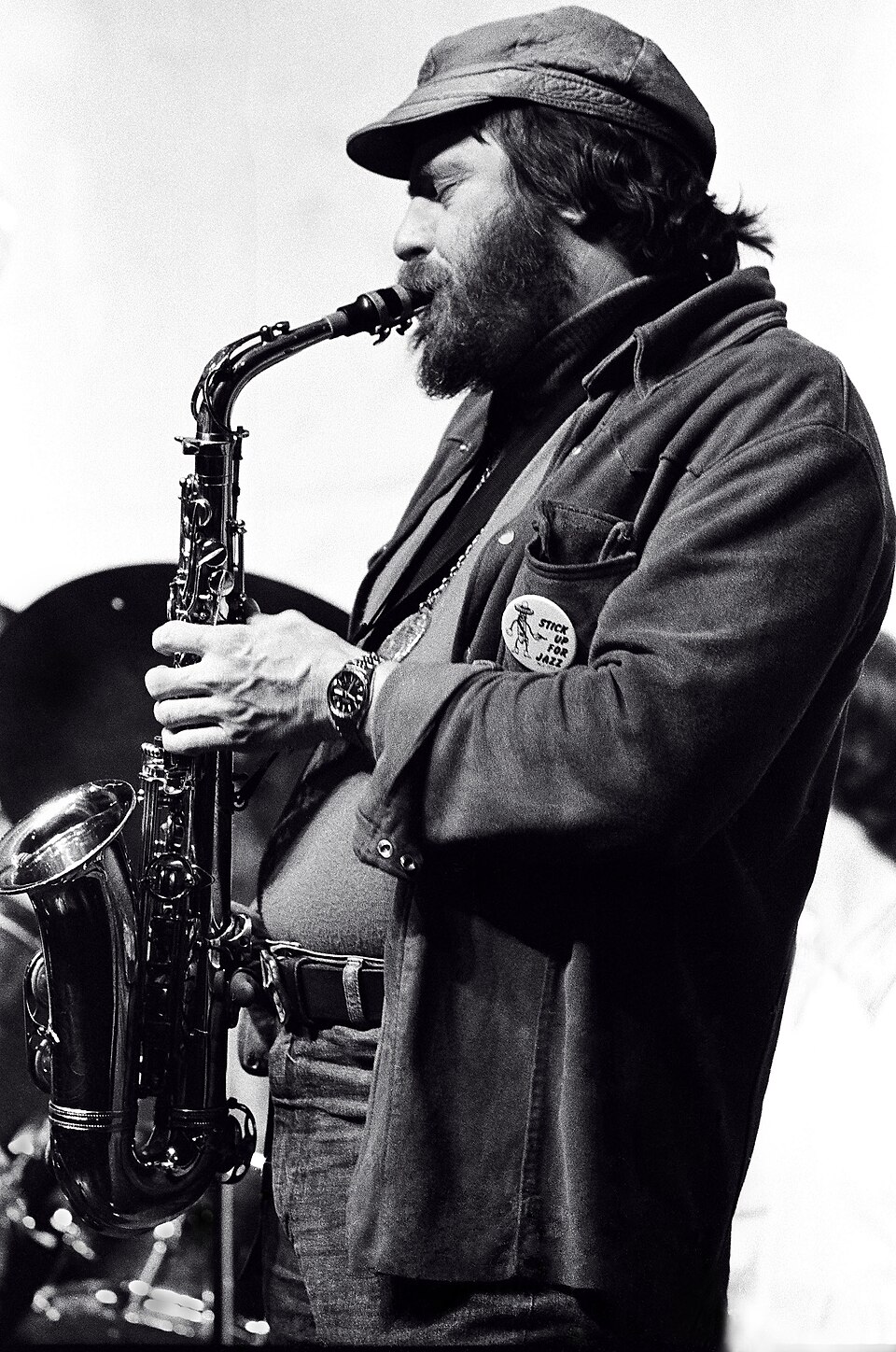
Orchestration Techniques

Woods’s orchestration techniques reflect his deep grounding in bebop vocabulary, with voicings and instrumental writing that demonstrate intimate knowledge of horn idioms acquired through decades of professional saxophone playing. His harmonization approach typically employs bebop-derived voicings with altered dominants—flat-nines, sharp-elevens, and thirteens placed strategically to create tension and release patterns characteristic of the style. Woods’s sectional writing for saxophones favors unison lines in bebop phraseology, where the entire section articulates complex melodic passages together, emphasizing rhythmic precision and technical virtuosity over harmonic density. His brass voicings use four-part close-position structures with trumpets on top and trombones below, moving in parallel motion through chromatic approach patterns that outline the chord changes clearly. The contrapuntal approach in Woods’s arrangements features walking bass lines that create counterpoint against horn melodies, with the bass functioning as melodic voice equal to the written parts above. His use of guide tones—third and seventh of each chord—in middle voices provides harmonic clarity while upper voices execute bebop-influenced melodic figures. Woods employs call-and-response patterns derived from swing tradition, with brass stabs answering saxophone figures in rhythmically displaced patterns that create forward momentum. Rhythmic notation in his charts emphasizes the swing eighth-note feel with precise articulation markings: accents on upbeats, staccato markings on downbeats, and specific breath marks that shape phrase contours. His dynamic architecture tends toward consistent mezzo-forte intensity that maintains swing energy throughout, with strategic use of subito piano passages for contrast rather than gradual dynamic changes. Woods’s treatment of backgrounds behind soloists typically involves sustained pad voicings with rhythmic punctuations that outline chord changes without cluttering the improviser’s space. Instrumental combinations in his arrangements pair alto saxophone with trumpet in octaves for melodic unisons, exploiting the brightness of both instruments in their upper registers. A characteristic technique involves writing ensemble passages that sound like transcribed bebop solos, with the full section executing the intricate chromatic lines and rhythmic figures characteristic of improvised bebop vocabulary. Woods’s approach to form respects traditional structures—AABA and twelve-bar blues—while incorporating sophisticated reharmonizations and chromatic substitutions that maintain bebop’s harmonic sophistication.

Top Albums

Phil Woods Quintet - “Warm Woods” (1957)

Woods’s early arrangements demonstrate his bebop foundation. The charts feature sophisticated harmonies with strong melodic content. What makes these arrangements notable is their balance—Woods writes enough to create interest without overwhelming the improvisers. His arrangements show influence of Quincy Jones and Benny Golson while developing personal voice.

Phil Woods Quartet - “At the Frankfurt Jazz Festival” (1970)

Woods’s arrangements for his European Rhythm Machine demonstrate his mature style. The charts balance bebop tradition with contemporary touches. What’s particularly notable is how Woods’s arrangements maintain vitality and swing despite changing jazz fashions. His writing for the quartet creates fullness despite small forces. The arrangements prove traditional values remained relevant.

Phil Woods - “Celebration!” (1997)

Woods’s later arrangements for various ensembles showcase his continued evolution. The charts maintain bebop foundations while incorporating modern elements. What makes these arrangements special is their craftsmanship—Woods’s decades of experience result in arrangements that are perfectly judged and executed. His work represents mature mainstream jazz arranging.