Don Ellis (1934-1978)
Biography
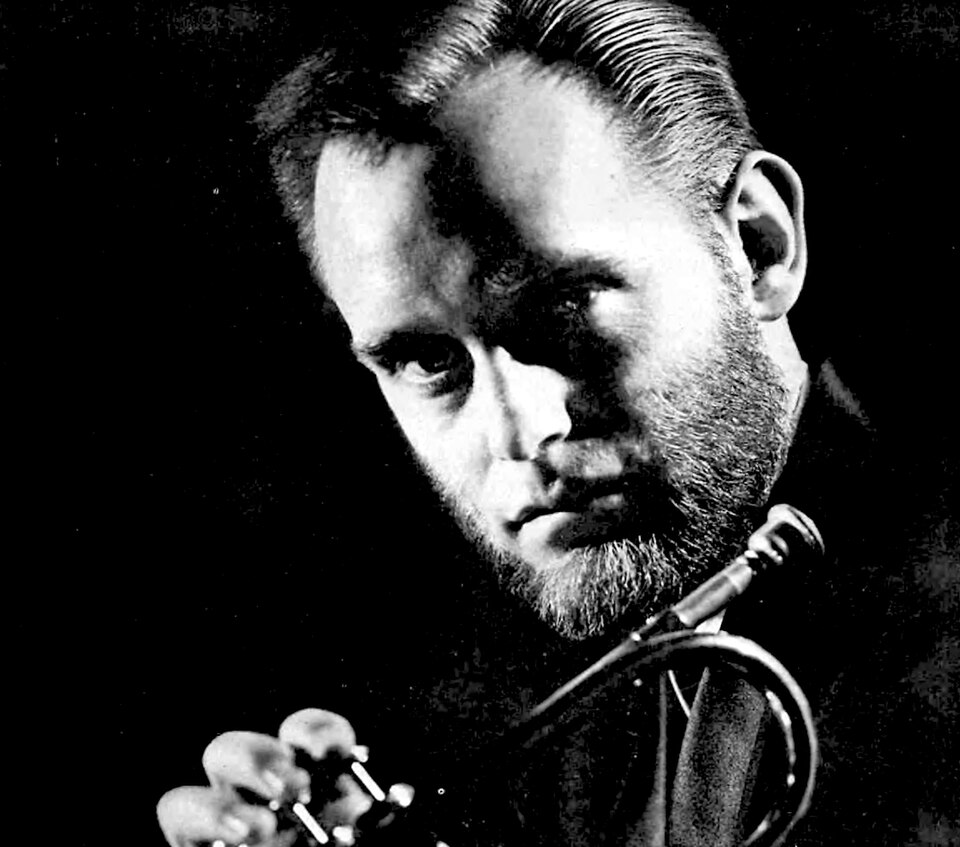
Donald Johnson Ellis was born in Los Angeles and studied at Boston University. He played trumpet with various bands before forming his own innovative big band in 1965. Ellis pioneered the use of odd time signatures (7/4, 19/4, 27/16) in big band jazz, incorporating Indian rhythms, electronic instruments, and amplification. His orchestra featured an expanded brass section with multiple trumpets. Ellis won Grammy Awards and influenced fusion and progressive jazz significantly. He died young from heart disease but left a legacy of innovation. Ellis’s fearless experimentation demonstrated that big band jazz could embrace radical new concepts while maintaining excitement and swing.
Musical Style
Ellis’s arranging style was revolutionary, incorporating complex odd-meter rhythms, electronic instruments, and amplified sound. His arrangements featured intricate polyrhythms often derived from Indian classical music. Ellis had a gift for making extremely complex material swing and groove—his charts in 19/4 or 33/16 were nonetheless danceable. His orchestrations incorporated rock and electronic elements ahead of their time. Ellis used ring modulators, Fender Rhodes, and electric bass in big band contexts before fusion became common. His arrangements were technically demanding, requiring virtuoso musicians, but never lost emotional impact. Ellis’s style emphasized excitement and innovation, demonstrating that intellectual complexity and visceral power could coexist. His work influenced progressive jazz, fusion, and contemporary big band music.
Orchestration Techniques
Ellis’s orchestration techniques represent a radical expansion of big band vocabulary, integrating complex metric structures derived from Indian classical music with electronic amplification and rock-influenced timbres. His approach to meter involves subdividing complex time signatures into asymmetrical groupings—for example, treating 19/16 as 4+3+3+3+3+3 rather than attempting to feel it as a single pulse—allowing musicians to navigate seemingly impossible meters with confidence. Ellis employs metric modulation extensively, with charts shifting between different odd meters through careful calculation of common subdivisions, maintaining groove despite constant metric flux. His brass section is typically expanded beyond standard big band instrumentation, often utilizing five or more trumpets to create walls of brass sound, with the upper trumpets playing in extreme altissimo register while lower parts provide harmonic foundation. Ellis’s voicings incorporate quarter-tone harmonies achieved through specially designed quarter-tone trumpet valves, creating microtonal clusters that produce an out-of-tune shimmering effect intentionally rather than through error. The integration of electronic effects—ring modulators on trumpet, wah-wah pedals, and early synthesizers—into acoustic big band contexts was pioneering, with Ellis treating these as legitimate orchestral colors rather than novelties. His sectional writing features polyrhythmic layering where different sections operate in different metric subdivisions simultaneously: brass might articulate on main beats while saxophones subdivide into triplets and rhythm section plays in yet another subdivision. Ellis’s contrapuntal approach involves creating interlocking rhythmic patterns inspired by South Indian konnakol syllabic structures, where different instrumental voices articulate complementary rhythmic cells that combine into complex metric wholes. The rhythm section in his arrangements is amplified and prominent, with electric bass and electric piano functioning as power instruments similar to rock contexts while maintaining jazz harmonic sophistication. His dynamic architecture exploits the power of amplified sound, building from acoustic passages to massive electronic climaxes that anticipate fusion’s later developments. Rhythmic notation in Ellis’s scores requires extremely precise subdivision markings, with specific indication of where beats fall within complex meters to ensure ensemble accuracy. A signature technique involves writing melodic lines that phrase across bar lines in ways that obscure the underlying meter from listeners while musicians maintain internal metric framework, creating the illusion of freedom within rigorous structure. His treatment of the saxophone section often has them doubling brass lines in extreme registers or functioning as a separate polyrhythmic layer, contributing to the dense textural complexity. Ellis’s ensemble configuration emphasizes high-volume sections that can cut through amplification, making his big band function with the power and intensity of rock bands while maintaining jazz sophistication.
Top Albums
Don Ellis Orchestra - “Electric Bath” (1967)
This Grammy-winning album showcases Ellis’s most innovative arranging. “Indian Lady” in 5/4 demonstrates his gift for making odd meters groove. What makes these arrangements remarkable is their combination of complexity and accessibility—Ellis writes in unusual time signatures with complex polyrhythms yet creates music that swings and excites. “Turkish Bath” features quarter-tone trumpet and electronic effects, pushing big band boundaries. The album influenced fusion significantly, demonstrating that big bands could incorporate rock energy and electronic instruments while maintaining jazz sophistication.
Don Ellis Orchestra - “Tears of Joy” (1971)
Ellis’s arrangements here reach peak complexity. “Strawberry Soup” in 7/4 and other tracks feature intricate polyrhythmic structures. What’s particularly impressive is how Ellis’s arrangements maintain melodic appeal despite rhythmic complexity—the tunes are memorable even while rhythmically challenging. His use of string quartet with big band creates unique orchestral colors. The album demonstrates Ellis’s matured vision of progressive big band jazz, incorporating diverse influences into coherent personal style.
Don Ellis Orchestra - “Live at Monterey!” (1966)
This live recording captures Ellis’s band’s power and excitement. The arrangements translate effectively to live performance, with the complexity serving musical excitement rather than academic display. What makes this album special is hearing Ellis’s innovative concepts in real-time performance—the band navigates complex meters while creating visceral excitement. Ellis’s high-note trumpet playing and the band’s ensemble precision demonstrate that progressive jazz could thrill audiences, not just impress musicians intellectually.