Jazz arranging · Cool Jazz & West Coast
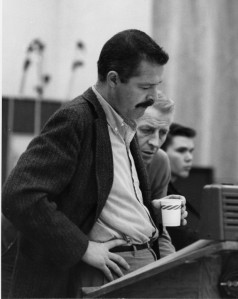
BillHolman
b. 1927 arranger · composer · orchestrator
Holman's arranging style is characterized by sophisticated counterpoint, witty musical quotes, and remarkable craftsmanship.

- Predominant era
- Cool Jazz & West Coast
- Lifespan
- b. 1927
- Signature
- expansive register
Bio · 32 words
Willis Leonard Holman was born in Olive, California, and studied engineering at UCLA before pursuing music full-time. He played tenor saxophone with Charlie Barnet and Stan Kenton while developing his arranging skills.
01
Musical style
Sound DNA
Five shared dimensions make the arranger’s musical priorities visible at a glance.
Varied
Contrasting families shape the sound.
Compact
Ideas arrive in tightly packed frames.
Expansive
Wide spans define the orchestral frame.
Ornate
Dense detail rewards close listening.
Propulsive
Rhythm actively drives the architecture.
02
Orchestration
Technique deck
Select a card to spotlight a device drawn from this arranger’s orchestral language.
03
Music first
Scores & orchestras
Switch recordings to compare how this arranger’s musical priorities shape each orchestral profile.
Kenton Showcase · 1954
Stella by Starlight
Holman's arrangements for Kenton including "Stella by Starlight" and "Kingfish" demonstrate his emergence as a major arranger.
Listen forNotice how density shapes the orchestral profile.
Find listening example on YouTubeProfile derived from the arranger’s documented style and recording notes; exact instrumentation is not asserted.
A View from the Side · 1995
The Monk
Leading his own Grammy-winning band, Holman's arrangements showcase his mature style.
Listen forNotice how register shapes the orchestral profile.
Find listening example on YouTubeProfile derived from the arranger’s documented style and recording notes; exact instrumentation is not asserted.
Swingin' New Big Band
Channel One Suite
Holman's arrangements for Rich's band had to satisfy the drummer's demand for excitement while maintaining sophistication.
Listen forNotice how register shapes the orchestral profile.
Find listening example on YouTubeProfile derived from the arranger’s documented style and recording notes; exact instrumentation is not asserted.
04
Start here
Three essential albums
One line each—enough context to choose the next listen.
- 01 1954 Kenton ShowcaseStan Kenton Holman's arrangements for Kenton including "Stella by Starlight" and "Kingfish" demonstrate his emergence as a major arranger.
- 02 1995 A View from the SideBill Holman Big Band Leading his own Grammy-winning band, Holman's arrangements showcase his mature style.
- 03 — Swingin' New Big BandBuddy Rich Big Band Holman's arrangements for Rich's band had to satisfy the drummer's demand for excitement while maintaining sophistication.