Jazz arranging · Early Jazz & Dance Bands
Jelly RollMorton
1890–1941 arranger · composer · orchestrator
Morton's arranging style was revolutionary for its time, bringing compositional sophistication to jazz.
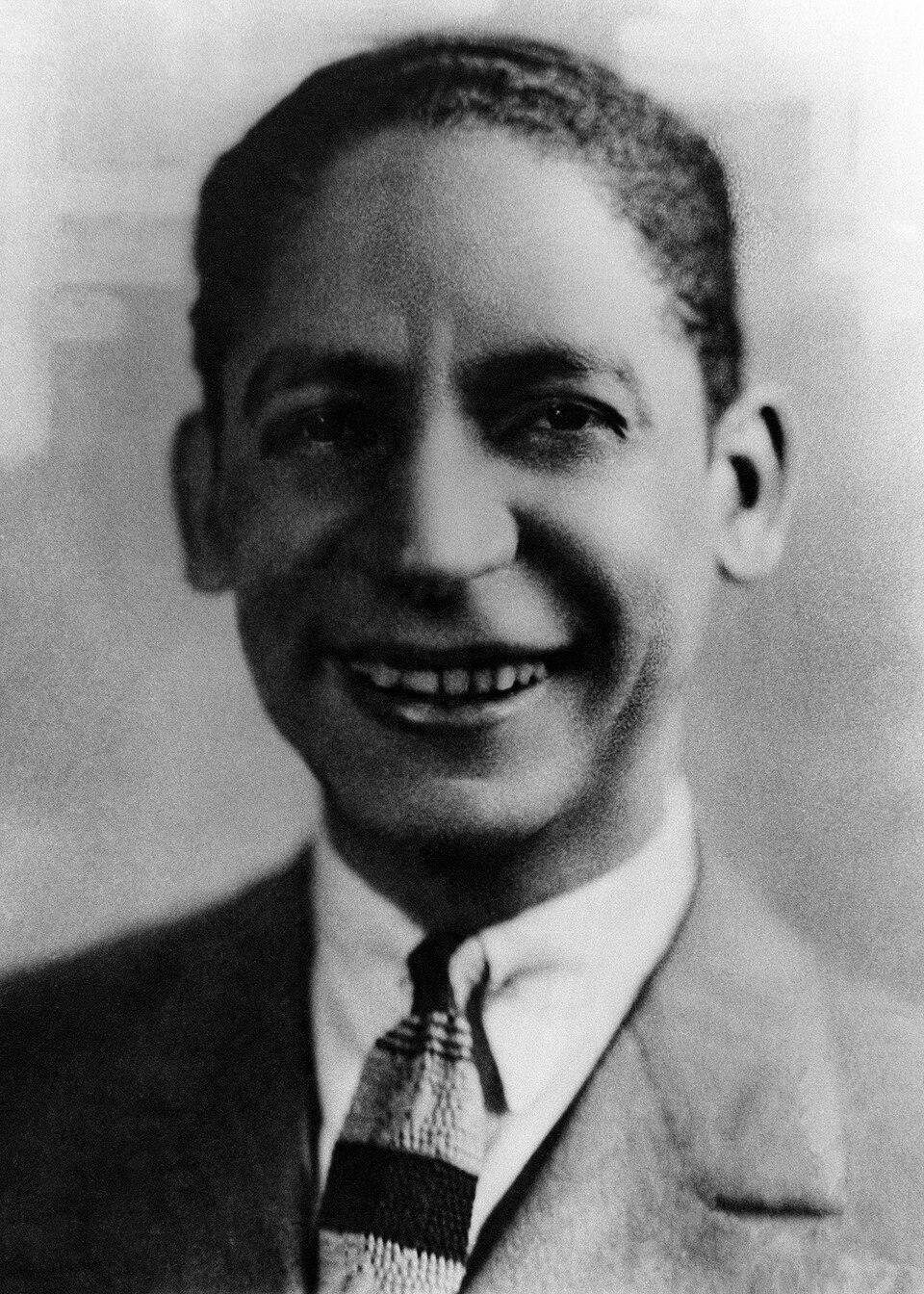
.jpg)
- Predominant era
- Early Jazz & Dance Bands
- Lifespan
- 1890–1941
- Signature
- varied color
Bio · 37 words
Ferdinand Joseph LaMothe, known as Jelly Roll Morton, was born in New Orleans and claimed to have "invented jazz in 1902." While this claim was exaggerated, Morton was indeed one of jazz's first great composers and arrangers.
01
Musical style
Sound DNA
Five shared dimensions make the arranger’s musical priorities visible at a glance.
Varied
Contrasting families shape the sound.
Compact
Ideas arrive in tightly packed frames.
Layered
Registers work as distinct layers.
Transparent
Individual lines stay easy to follow.
Elastic
The rhythmic feel expands and contracts.
02
Orchestration
Technique deck
Select a card to spotlight a device drawn from this arranger’s orchestral language.
03
Music first
Scores & orchestras
Switch recordings to compare how this arranger’s musical priorities shape each orchestral profile.
The Complete Library of Congress Recordings
The Complete Library of Congress Recordings
While these are primarily piano solos and reminiscences rather than band arrangements, they reveal Morton's arranging concepts.
Listen forNotice how color shapes the orchestral profile.
Find listening example on YouTubeProfile derived from the arranger’s documented style and recording notes; exact instrumentation is not asserted.
The Pearls · 1926-1930
Black Bottom Stomp,
These recordings showcase Morton's arranging at its peak.
Listen forNotice how color shapes the orchestral profile.
Find listening example on YouTubeProfile derived from the arranger’s documented style and recording notes; exact instrumentation is not asserted.
Doctor Jazz · 1926-1927
Grandpa's Spells
The title track and "Grandpa's Spells" showcase Morton's unique approach to jazz composition and arrangement.
Listen forNotice how register shapes the orchestral profile.
Find listening example on YouTubeProfile derived from the arranger’s documented style and recording notes; exact instrumentation is not asserted.
04
Start here
Three essential albums
One line each—enough context to choose the next listen.
- 01 — The Complete Library of Congress RecordingsJelly Roll Morton's Red Hot Peppers While these are primarily piano solos and reminiscences rather than band arrangements, they reveal Morton's arranging concepts.
- 02 1926-1930 The PearlsJelly Roll Morton's Red Hot Peppers These recordings showcase Morton's arranging at its peak.
- 03 1926-1927 Doctor JazzJelly Roll Morton's Red Hot Peppers The title track and "Grandpa's Spells" showcase Morton's unique approach to jazz composition and arrangement.