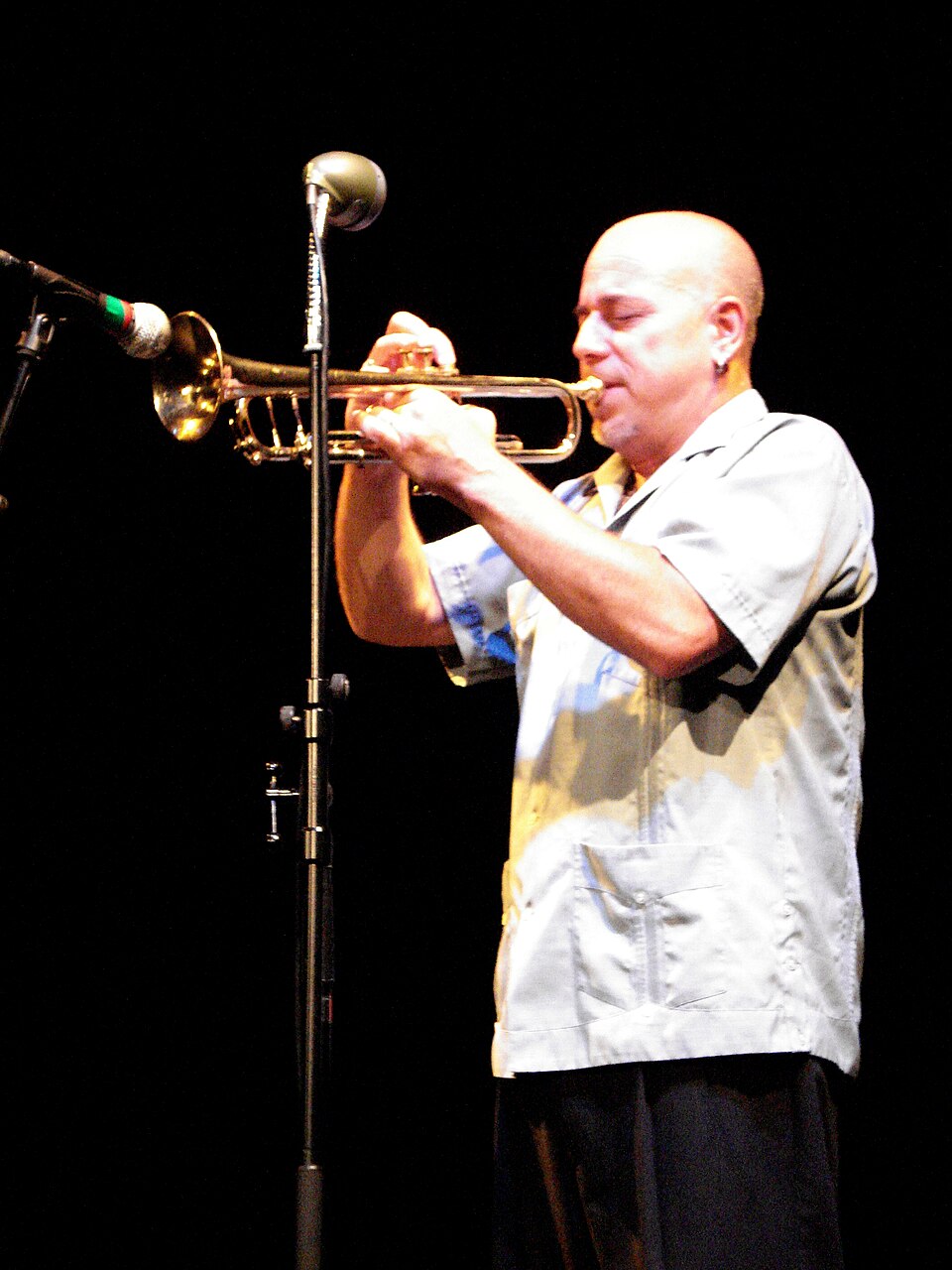
Steven Bernstein (b. 1961)

Biography

Steven Bernstein was born in Oakland, California, and became a distinctive voice in downtown New York’s experimental jazz scene. He studied trumpet and established himself through work with diverse artists from Lee “Scratch” Perry to John Lurie. Bernstein leads several ensembles including the Millennial Territory Orchestra (MTO), Sexmob, and Spanish Fly. His work incorporates influences from vaudeville, Jewish klezmer, soul, funk, free jazz, and American vernacular music. Bernstein has arranged for various projects while maintaining an active performing career. His approach challenges conventional jazz boundaries while demonstrating deep knowledge of American music traditions. Bernstein represents the downtown New York aesthetic: eclectic, irreverent, historically informed, and determinedly non-mainstream. His success shows that experimental approaches can coexist with strong musical craftsmanship.

Musical Style

Bernstein’s arranging style is eclectic and genre-bending, incorporating diverse American musics from vaudeville to funk within jazz frameworks. His arrangements often feature unusual instrumental combinations and unconventional approaches to traditional material. What distinguishes Bernstein’s work is its combination of historical awareness and contemporary irreverence—he knows traditions deeply yet feels free to subvert them. His voicings often incorporate slide trumpet (his specialty), creating unique colors unavailable to conventional trumpet. Bernstein’s harmonic language draws from blues, soul, and avant-garde jazz, creating personal synthesis that defies easy categorization. His arrangements balance structure and freedom, often leaving room for improvisation within clearly defined concepts. Bernstein’s style represents downtown New York experimental aesthetics: knowledgeable, playful, and committed to finding new approaches to familiar materials.

Orchestration Techniques

Bernstein’s orchestration exploits the unique timbral possibilities of slide trumpet, using its microtonal capabilities and glissando effects as primary coloristic devices rather than standard brass articulations. His voicings frequently employ wide intervallic spreads, often placing the slide trumpet in its upper register against low brass pedal tones, creating registral gaps that emphasize the instrument’s distinct timbre. Sectional writing in his charts features non-traditional doublings, pairing slide trumpet with tuba in parallel motion or using clarinet and trombone unisons to create hybrid sonorities reminiscent of early jazz and klezmer traditions. Bernstein favors concerted rhythmic figures where the entire ensemble attacks syncopated patterns in rhythmic unison, often employing hocket techniques between brass and reeds to create interlocking melodic lines. His contrapuntal approach draws from New Orleans collective improvisation, layering independent melodic lines with varying rhythmic densities rather than strict imitative counterpoint. Register exploitation is strategic: brass instruments frequently occupy their extreme ranges for expressive effect, while saxophones are deployed in their chalumeau registers for timbral weight. Rhythmic notation in his scores often includes specific articulation markings derived from funk and soul, such as ghost notes and precise dynamic accents that create groove-based momentum. Textural variety is achieved through rapid alternation between sparse two-voice counterpoint and dense tutti passages, with sudden dynamic shifts from pianissimo to fortissimo. His preferred ensemble configurations favor brass-heavy instrumentation with flexible woodwind doubling, allowing for quick timbral transformations. Dynamic architecture in Bernstein’s charts often follows narrative arcs inspired by theatrical traditions, building through terraced dynamics rather than gradual crescendos.

Top Albums

Sexmob - “Din of Inequity” (1998)

Bernstein’s arrangements for his quartet reimagining pop and rock material demonstrate his unique approach. His charts transform familiar songs through creative orchestration and harmonic reinterpretation. What makes these arrangements fascinating is their combination of respect and irreverence—Bernstein honors source material while completely reimagining it. His arrangement of “Immigrant Song” shows how rock classics can be transformed through jazz lenses. The album demonstrates Bernstein’s gift for making the familiar strange and interesting.

Steven Bernstein’s Millennial Territory Orchestra - “MTO Volume 1” (2006)

Bernstein’s arrangements for his 12-piece band demonstrate his eclectic approach at larger scale. His charts incorporate elements from various American musics, creating unique hybrid forms. What’s particularly impressive is Bernstein’s success at making disparate influences cohere—these aren’t random mixtures but thoughtful syntheses. His composition “Haitian Fight Song” (not the Mingus tune) showcases his gift for creating original music from diverse sources. The album represents downtown New York experimental big band at its finest.

Steven Bernstein - “Diaspora Soul” (2009)

Bernstein’s arrangements exploring Jewish and African-American musical connections demonstrate his conceptual ambitions. His charts create dialogues between klezmer, soul, and jazz traditions. What makes these arrangements remarkable is their genuine integration—Bernstein doesn’t just juxtapose traditions but finds their common ground. His arrangement of “Sunrise, Sunset” transformed through soul lens shows his gift for creative recontextualization. The album demonstrates that experimental arranging can produce emotionally direct, accessible music.