Tom Scott (b. 1948)

Biography

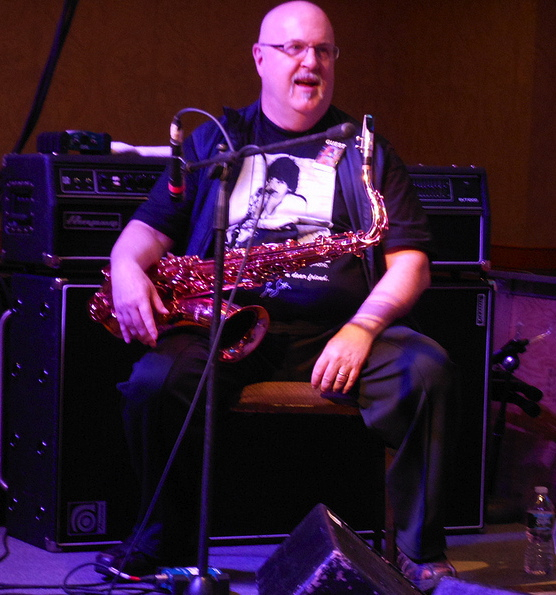
Tom Scott was born in Los Angeles into a musical family (his father composed film scores). He studied at USC before becoming one of the most prominent saxophonists and arrangers in Los Angeles studio scene. Scott led the L.A. Express, which backed Joni Mitchell on tour, and arranged for artists spanning jazz (George Benson, Freddie Hubbard) to pop (Frank Sinatra, Barbra Streisand) to rock (The Blues Brothers). He scored films and television shows and produced numerous albums. Scott’s work represents peak Los Angeles studio sophistication—his arrangements feature jazz harmonies with contemporary grooves and production values. He successfully bridged jazz credibility and commercial success, demonstrating that skilled arrangers could work across genres. Scott’s prolific output and versatility made him one of the most recorded musicians of his era.

Musical Style

Scott’s arranging style features sophisticated jazz harmonies combined with contemporary grooves, funk rhythms, and polished production. His arrangements successfully bridge jazz, pop, R&B, and fusion, adapting his approach to serve different contexts while maintaining high standards. What distinguishes Scott’s work is its professionalism and adaptability—he writes effectively for small combos, big bands, and orchestras, always understanding the specific requirements of each situation. His voicings are modern and colorful, often incorporating electric instruments alongside acoustic ones. Scott understands how to create arrangements that work both musically and commercially, satisfying both musicians and broader audiences. His style emphasizes melody, groove, and clarity—Scott’s arrangements are always well-crafted and purposeful. He represents the Los Angeles studio tradition at its best: sophisticated, versatile, and consistently excellent.
Orchestration Techniques

Scott’s orchestrations reflect the sophisticated Los Angeles studio approach, employing tight three and four-part horn voicings in close position that cut through contemporary rhythm section textures while maintaining jazz sophistication. His voicing approach utilizes parallel chord movements and cluster voicings that create the punchy, focused sound characteristic of studio horn arranging, often doubling saxophones and brass in unison or octaves for maximum impact. Sectional writing favors small horn sections (typically four to six parts) arranged in close intervals that move as a unified block, creating powerful ensemble figures that punctuate grooves without requiring the resources of a full big band. Contrapuntal techniques include sophisticated use of countermelodies scored for single saxophone or flute that weave through the texture, providing melodic interest without cluttering the arrangement. Scott’s register usage emphasizes the middle-to-upper range of horn instruments, positioning voices where they project clearly through electric bass, keyboards, and drums without competing for fundamental frequencies. His brass writing exploits muted and open textures strategically, using Harmon mutes for intimate passages and open brass for climactic statements, creating timbral variety within small ensemble contexts. Rhythmic notation is precise in defining funk and fusion grooves, with specific sixteenth-note placements, ghost notes, and articulation patterns that ensure the horn parts lock with the rhythm section. Textural approaches favor layered orchestration where sustained keyboard pads provide harmonic foundation while horns offer staccato punctuations and melodic fragments, creating depth through rhythmic and timbral contrast. Scott’s preferred configurations combine small horn sections with contemporary rhythm sections featuring electric bass, electric piano, synthesizers, and percussion. Dynamic architecture employs sudden contrasts characteristic of funk arranging, with sharp drops and builds coordinated with rhythm section patterns rather than gradual orchestral crescendos. His signature technique involves voicing horn sections in tight parallel fourths and fifths rather than traditional thirds, creating an open, modern sound that blends effectively with electric instruments while maintaining harmonic sophistication above groove-oriented bass and drum patterns.

Top Albums

Tom Scott - “Tom Scott and the L.A. Express” (1973)

Scott’s arrangements for his own fusion group demonstrate his gift for combining jazz sophistication with accessible grooves. His charts feature tight horn arrangements, sophisticated harmonies, and infectious rhythms. What makes these arrangements effective is their balance—Scott writes challenging music that nonetheless grooves hard and remains listener-friendly. His composition “Sneakin’ in the Back” showcases his ability to create memorable melodies with sophisticated harmonic settings. The album represents fusion at its peak, before the genre became formulaic.

Joni Mitchell - “Court and Spark” (1974, Scott arrangements)

Scott’s arrangements and playing on Mitchell’s landmark album demonstrate his versatility and sensitivity. His charts enhance Mitchell’s songs without overwhelming them, providing sophisticated jazz touches within pop frameworks. What’s particularly impressive is Scott’s understanding of how to serve songs—his arrangements always focus on supporting Mitchell’s voice and lyrics. His saxophone work and arrangement on “Trouble Child” demonstrates his gift for emotional expression within commercial contexts. The collaboration shows Scott’s ability to work across genres while maintaining integrity.

Tom Scott - “Streamlines” (1987)

Scott’s later arrangements show continued evolution, incorporating contemporary production techniques while maintaining jazz substance. His charts feature synthesizers alongside acoustic instruments, creating modern yet warm textures. What makes these arrangements interesting is their balance between contemporary sounds and timeless musicality—Scott uses technology to enhance rather than replace musical content. His composition “Streamlines” demonstrates his mature style: sophisticated, accessible, and perfectly crafted. The album proves Scott remained relevant through changing musical trends while maintaining high standards.