Jazz arranging · Hard Bop, Modal & Post-Bop
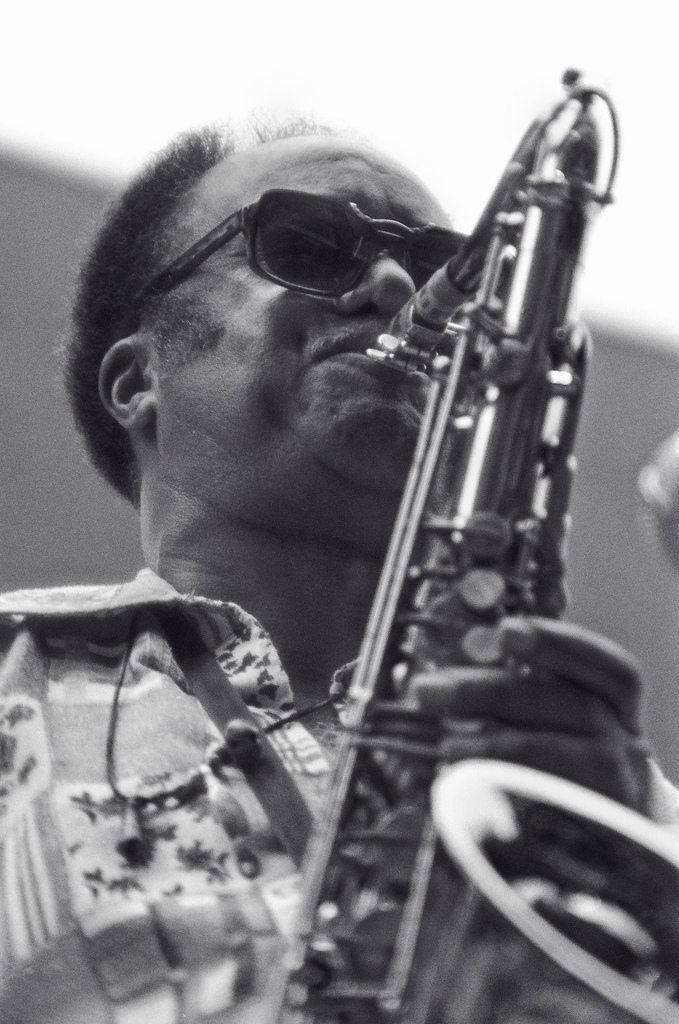
ErnieWilkins
1919–1999 arranger · composer · orchestrator
Wilkins's arranging style combined Kansas City blues feeling with modern jazz harmonies.

- Predominant era
- Hard Bop, Modal & Post-Bop
- Lifespan
- 1919–1999
- Signature
- expansive register
Bio · 38 words
Ernest Brooks Wilkins Jr. was born in St. Louis and studied at Wilberforce University. He arranged for Earl Hines, then spent seven years as staff arranger for Count Basie (1951-1958), creating many of the band's most successful charts.
01
Musical style
Sound DNA
Five shared dimensions make the arranger’s musical priorities visible at a glance.
Iridescent
Instrumental color leads the design.
Compact
Ideas arrive in tightly packed frames.
Expansive
Wide spans define the orchestral frame.
Ornate
Dense detail rewards close listening.
Elastic
The rhythmic feel expands and contracts.
02
Orchestration
Technique deck
Select a card to spotlight a device drawn from this arranger’s orchestral language.
03
Music first
Scores & orchestras
Switch recordings to compare how this arranger’s musical priorities shape each orchestral profile.
The Complete Atomic Basie · 1957
Whirly-Bird,
Wilkins's arrangements dominate this landmark album, including "Whirly-Bird," "Duet," and "The Late Late Show." What makes these arrangements remarkable is their perfect…
Listen forNotice how register shapes the orchestral profile.
Find listening example on YouTubeProfile derived from the arranger’s documented style and recording notes; exact instrumentation is not asserted.
Tommy Dorsey Plays Howard Dietz
Tommy Dorsey Plays Howard Dietz
Wilkins's arrangements for Dorsey show his versatility—writing for a commercial swing band while maintaining jazz credibility.
Listen forNotice how register shapes the orchestral profile.
Find listening example on YouTubeProfile derived from the arranger’s documented style and recording notes; exact instrumentation is not asserted.
The Cool World
The Cool World
Wilkins arranged several tracks for this film soundtrack, showing his evolution toward soul jazz and modal approaches.
Listen forNotice how register shapes the orchestral profile.
Find listening example on YouTubeProfile derived from the arranger’s documented style and recording notes; exact instrumentation is not asserted.
04
Start here
Three essential albums
One line each—enough context to choose the next listen.
- 01 1957 The Complete Atomic BasieCount Basie Orchestra Wilkins's arrangements dominate this landmark album, including "Whirly-Bird," "Duet," and "The Late Late Show." What makes these arrangements remarkable is their perfect…
- 02 — Tommy Dorsey Plays Howard DietzTommy Dorsey Orchestra Wilkins's arrangements for Dorsey show his versatility—writing for a commercial swing band while maintaining jazz credibility.
- 03 — The Cool WorldDizzy Gillespie Wilkins arranged several tracks for this film soundtrack, showing his evolution toward soul jazz and modal approaches.